12+ Must-Have Bedroom Essentials for 2026
Disclosure: This post may contain affiliate links, which means we may earn a small commission if you make a purchase through our links — at no extra cost to you. We only recommend products we genuinely love and believe will add value to your home. Thank you for supporting TheHomeGlowUps.
Your bedroom should be the one room in your home that actually feels good to be in. Not just functional. Genuinely comfortable, calm, and yours. But getting there doesn’t mean doing a full renovation or spending a fortune. It usually comes down to a handful of bedroom essentials that work together to make the space feel complete.
In this post, I’m sharing 12+ bedroom essentials worth having in 2026, covering bedding, lighting, storage, and the finishing touches that pull everything together.
1. Duvet Comforter

A duvet comforter is the kind of bedroom essential that makes an immediate difference. It’s what you reach for every night, so softness and breathability matter more than most people realize. I’ve found that natural down gives a plush, hotel-like warmth, while synthetic fills are a solid choice if you have allergies or a tighter budget. Either way, a cotton shell tends to be the most comfortable year-round.
Don’t skip the duvet cover. It protects your investment and makes changing up your bedroom look incredibly easy. No need to replace the whole thing when the seasons shift or you want something fresh.

2. Bed sheets (Cotton, Linen, Bamboo)

Sheets are the first thing you feel when you climb into bed, and that contact matters. High-quality sheets can make your bed feel more inviting without changing a single other thing in the room. Cotton is a reliable go-to: breathable and gentle on the skin. Linen sheets have a relaxed, slightly textured feel that gets better with every wash. Bamboo is silky smooth and temperature-regulating, which is worth considering if you tend to overheat at night.
Thread count gets a lot of attention, but the weave makes a bigger difference to how sheets feel day to day. Percale is crisp and cool; sateen is smoother and slightly warmer. I’d also suggest keeping at least two sets in rotation, which laundry day much less disruptive.

3. Mattress Topper
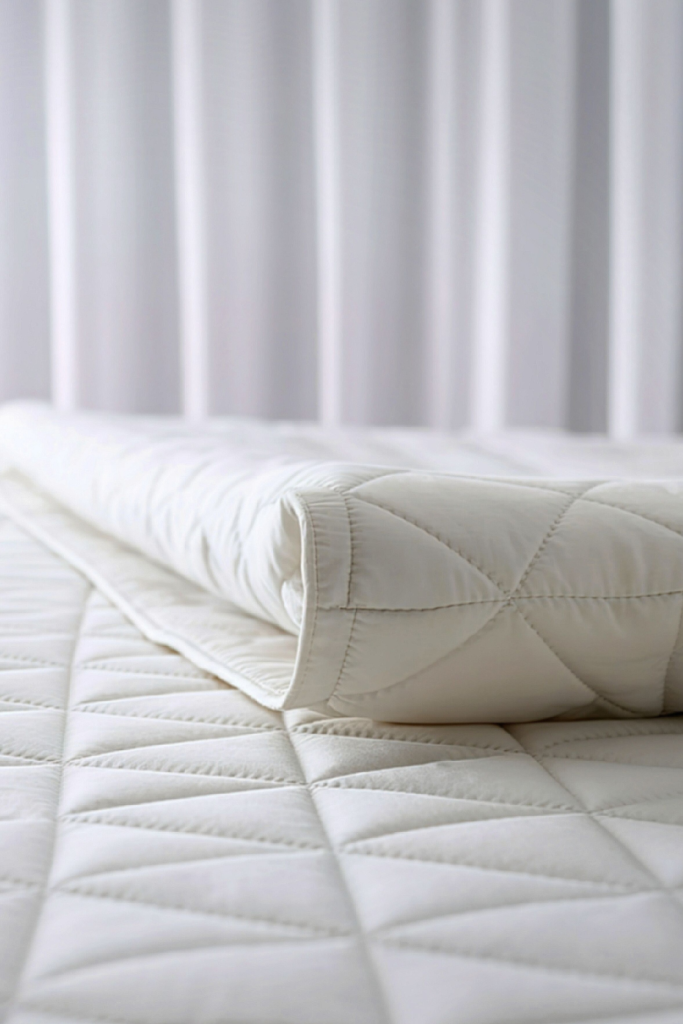
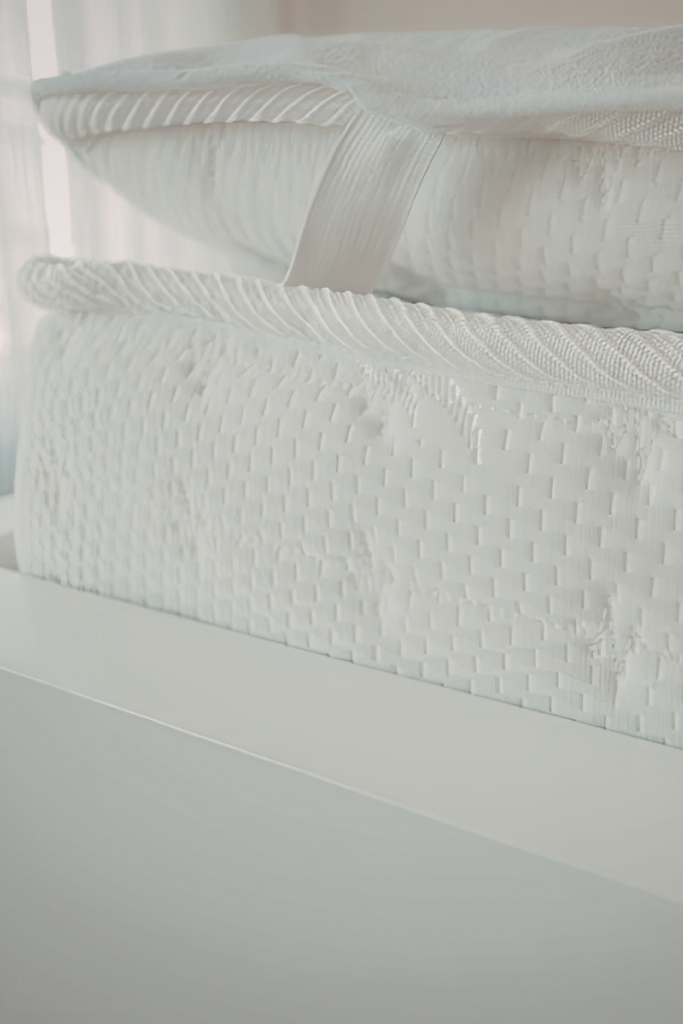
If your mattress feels too firm or has lost some of its original comfort, a topper is the most cost-effective fix before committing to a full replacement. Memory foam is the most popular option: it contours to your body and takes pressure off your hips and shoulders. A down or fiberfill topper gives a softer, cloud-like feel if support isn’t your main concern.
Side sleepers usually benefit most from a softer topper, while back sleepers tend to do better with something firmer to keep the spine aligned. Whatever you choose, look for a removable, washable cover, which makes a noticeable difference for long-term freshness.
4. Bedside Lamp
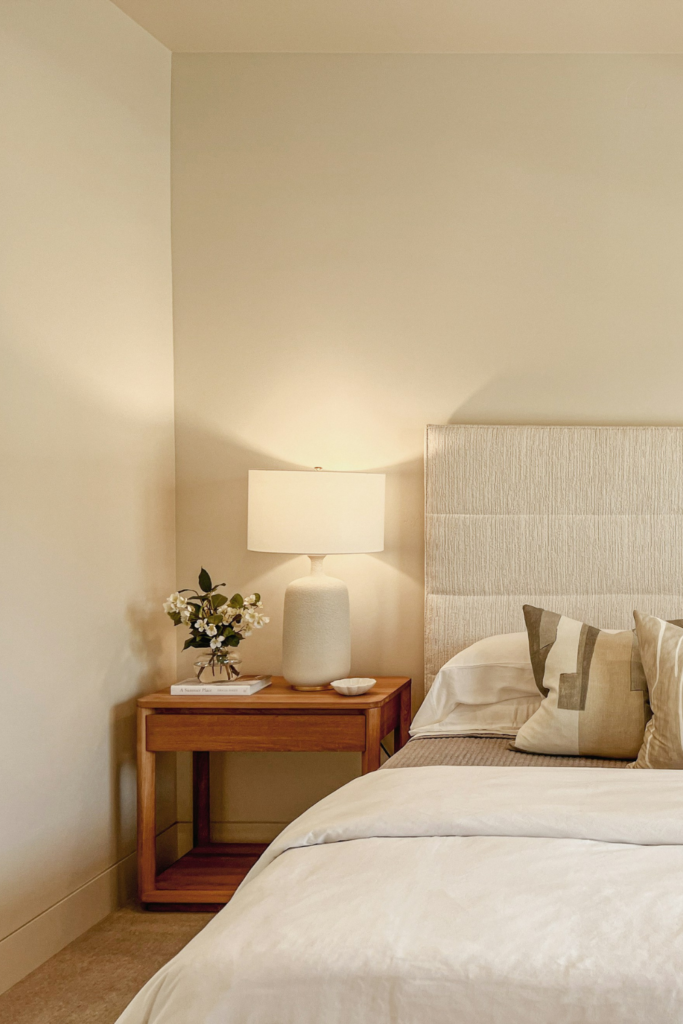
Overhead lighting before bed is one of the easiest ways to disrupt your sleep without realizing it. A bedside lamp lets you wind down with softer, more focused light, right where you actually need it. It’s a small change that genuinely improves your nighttime routine.
Beyond function, a lamp adds warmth and a visual anchor to the bedside area. Warm white bulbs work best for creating that relaxed, cozy atmosphere. When it comes to size, aim for something proportional to your nightstand. Too large and it crowds the surface, too small and it won’t do much for the room.
5. Ambient Ceiling Lighting
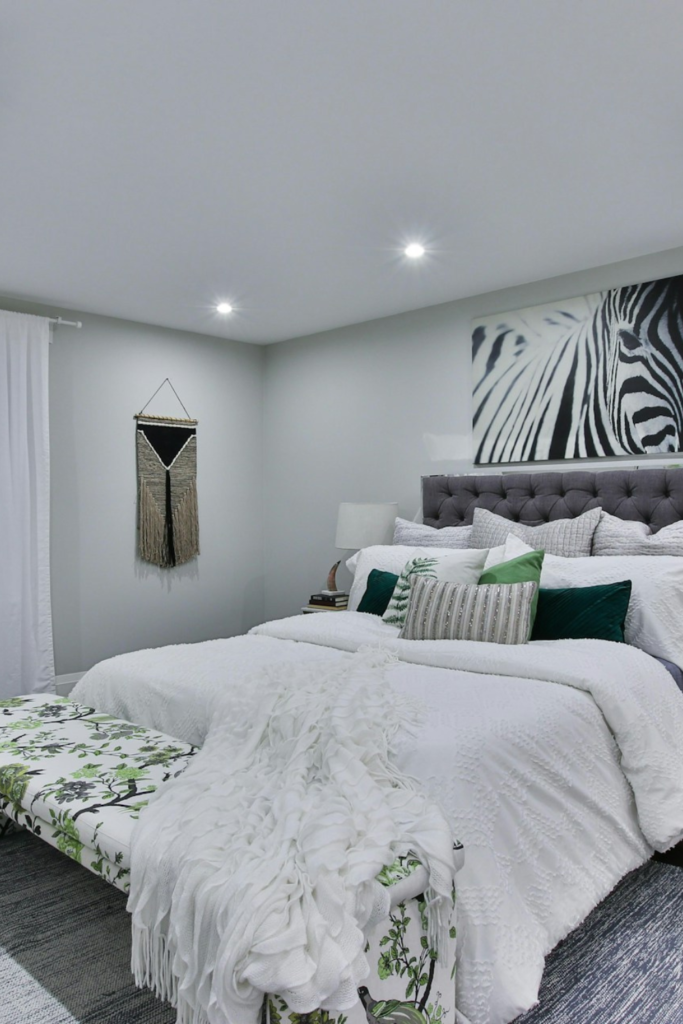
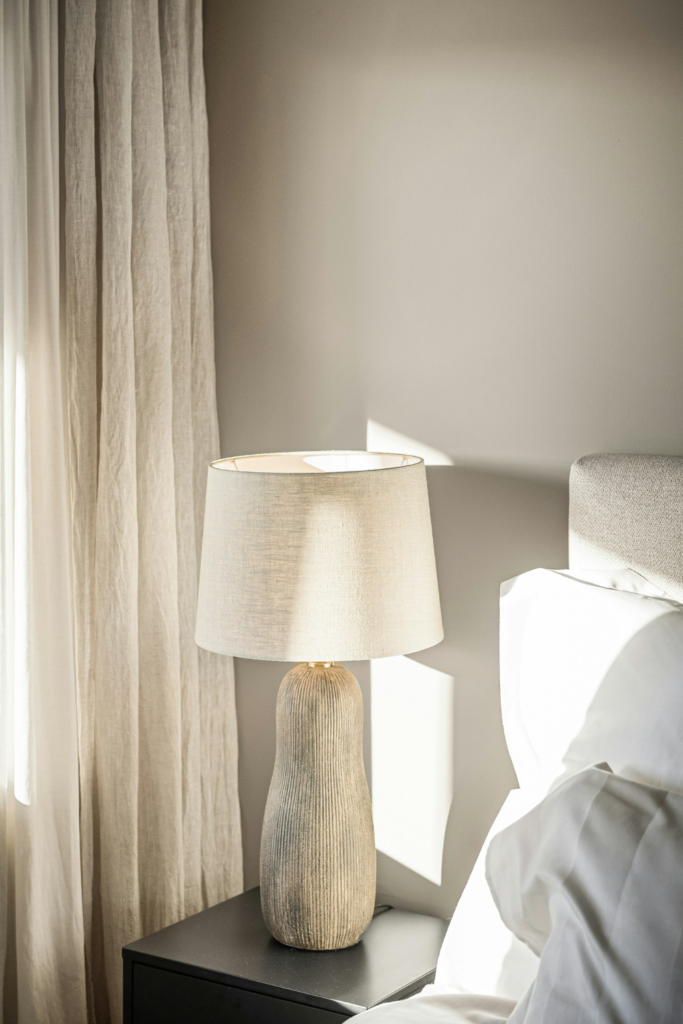
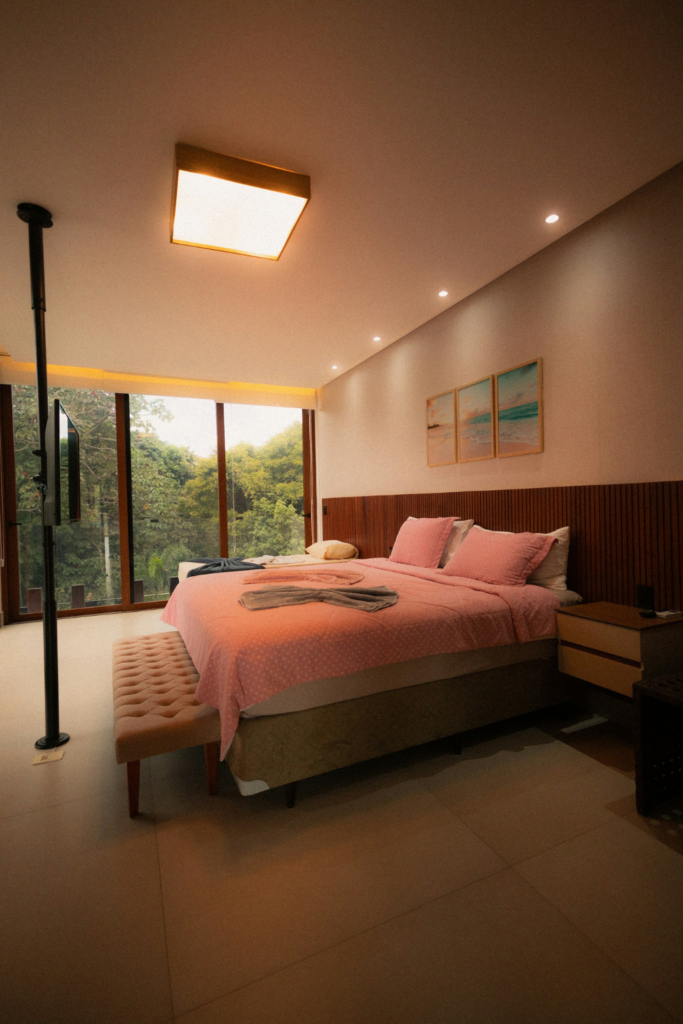
Ceiling lighting sets the overall tone of your bedroom, so it’s worth choosing carefully. Even illumination without harsh shadows makes a room feel more open and calm, especially in the evenings. Warm-toned bulbs tend to work best in bedrooms; they naturally create a more restful feel than cool white light.
A dimmable fixture is one of those things you don’t realize you need until you have it. Being able to lower the brightness as the evening winds down makes a real difference to how the room feels. In smaller rooms, a flush mount or semi-flush fitting usually provides plenty of light without overwhelming the ceiling.
6. Accent Lighting (String Lights, LED Strips)
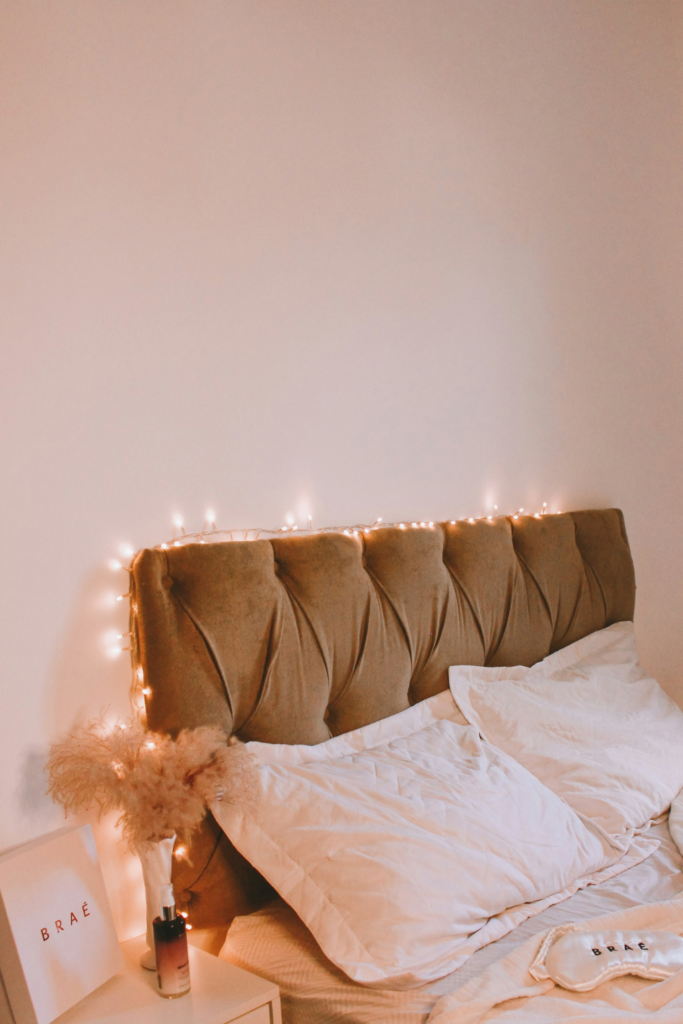
Accent lighting isn’t meant to light a room. It’s meant to make it feel more like a place you want to be. A strand of warm fairy lights draped along a headboard or across a shelf adds a soft glow that no overhead light can replicate. It’s an easy, inexpensive way to change the atmosphere of your bedroom without touching the décor.
Warm white is the most flattering option for bedrooms. For placement, think along bed frames, around mirrors, or on open shelves. The goal is subtle and intentional; a little goes a long way here.

7. Blackout Curtains
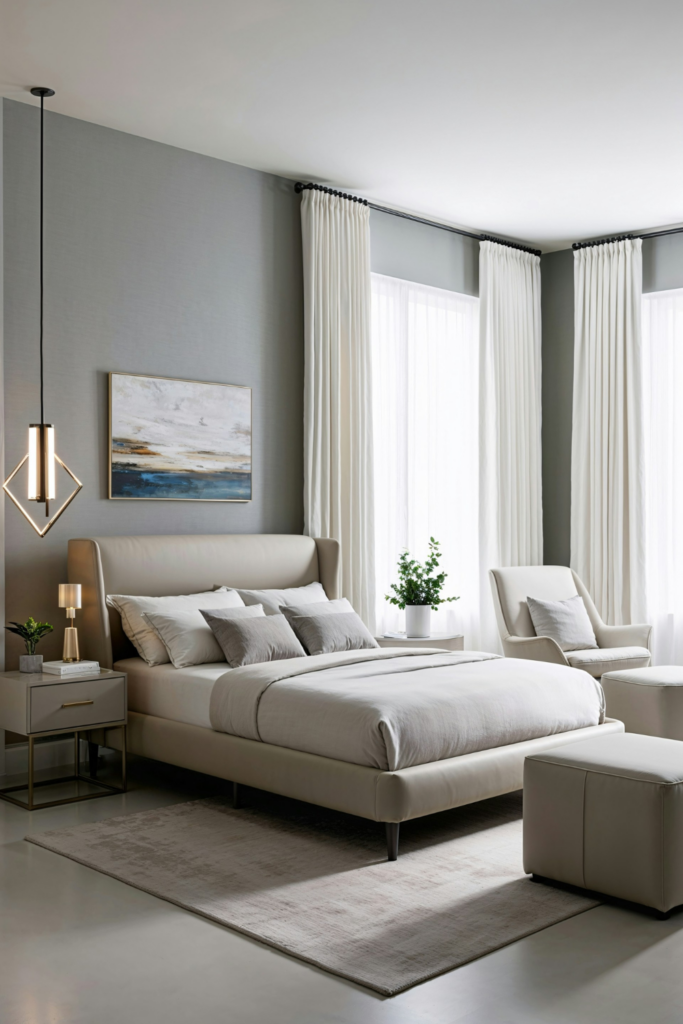
If you’re waking up earlier than you’d like or struggling to sleep through city light, blackout curtains are one of the most practical bedroom essentials you can add. They block out external light completely, and many also provide some noise reduction and temperature insulation, keeping your room cooler in summer and warmer in winter.
Fit matters as much as fabric. Curtains that don’t fully cover the window edges will still let light leak in along the sides. Measure carefully and opt for panels that are wider than your window frame. Neutral tones are versatile, and darker shades can boost the blackout effect even further.
8. Sheer Linen Curtains
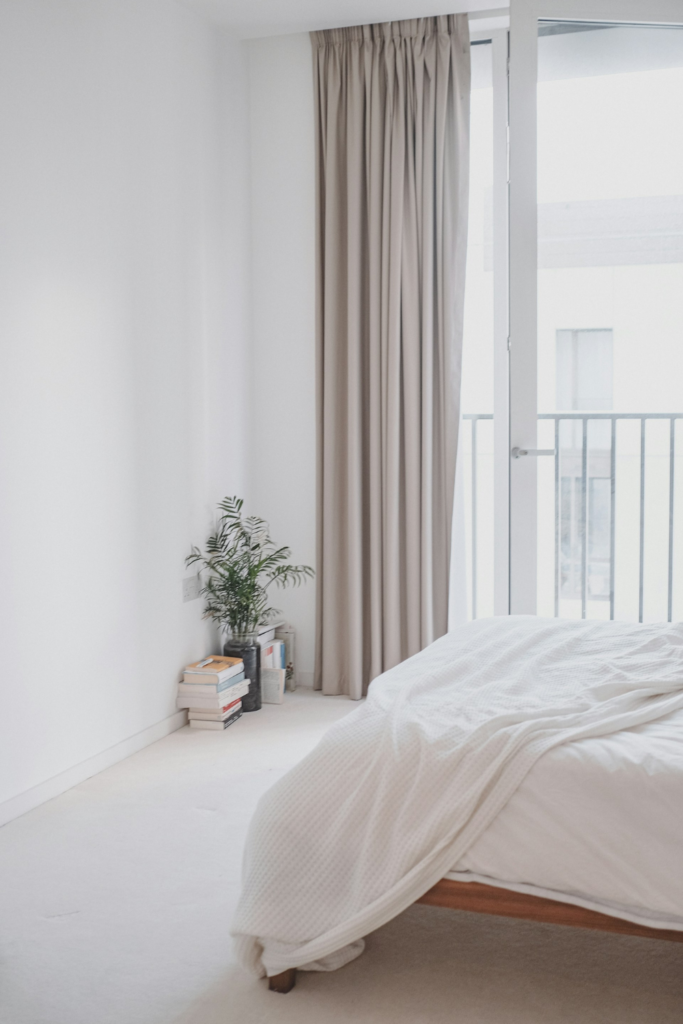
For rooms that feel too dark or heavy, sheer linen curtains are the opposite fix. They diffuse natural light beautifully rather than blocking it, giving your bedroom a soft, airy quality that’s hard to achieve any other way. The texture of linen adds warmth to the window without weighing the space down.
Lighter tones — white, ivory, and soft neutrals work best for keeping things feeling bright and open. Floor-length panels create a more elegant, elongated look. You can also layer them over blackout curtains if you want flexibility between filtering daylight and sleeping in complete darkness.
9. Throw Blankets
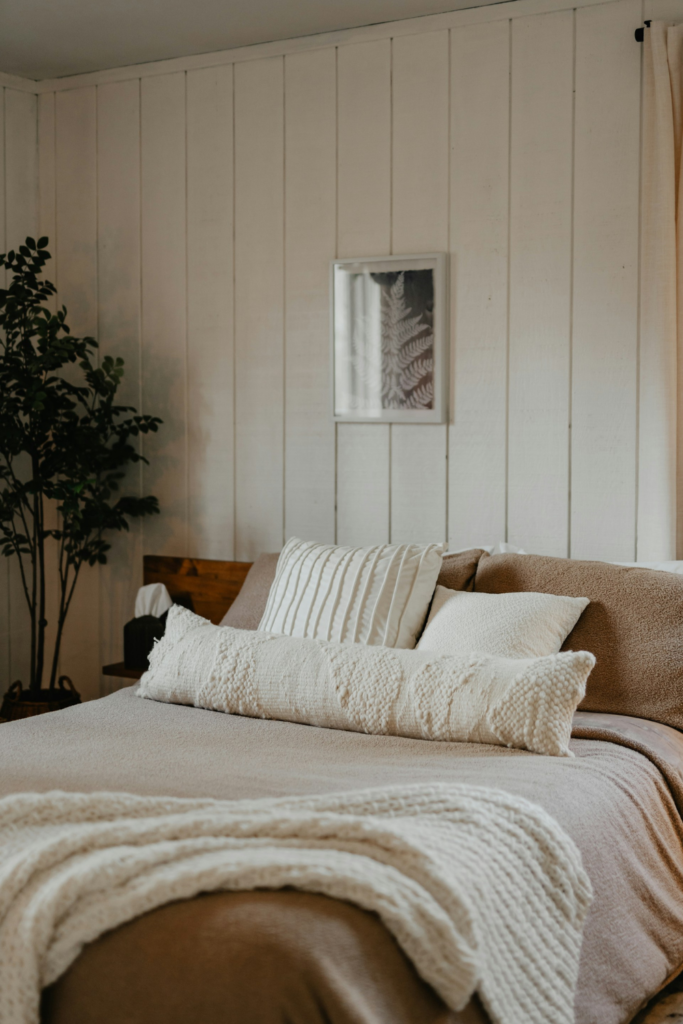
A throw blanket is one of those bedroom essentials that does more than you’d expect. Draped over the end of the bed or folded across a chair, it adds instant warmth and makes the whole room feel more lived-in and inviting. It also gives you an easy layer to reach for on cooler nights without needing to change your bedding.
For materials, cotton, fleece, and chunky knit each offer a different level of warmth and texture. Style-wise, neutral tones keep things calm and cohesive, while a deeper color or subtle pattern can add some personality. Placing it loosely at the foot of the bed is one of the simplest ways to make your space look more styled without any effort.
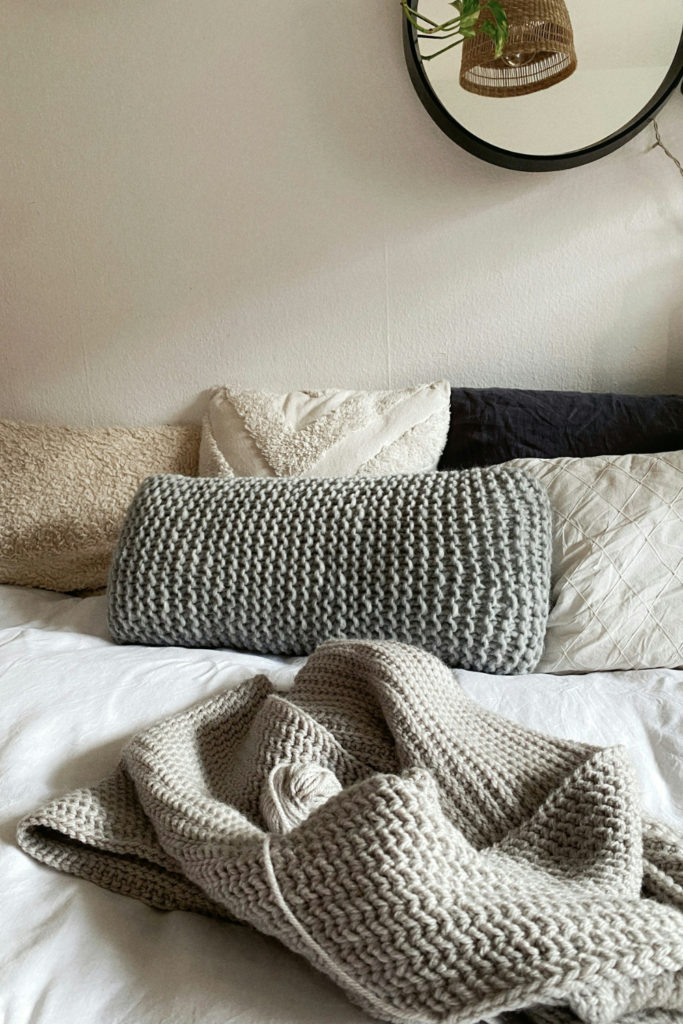
10. Decorative Cushions/Pillows

Decorative pillows are one of the quickest ways to make a bed look more intentional. They add softness, color, and layering to what might otherwise be a flat, uninspiring setup. You don’t need many. Three to five in varied sizes is usually enough to create depth without the bed looking overdone.
Mixing textures is where the magic happens. Linen, cotton, and velvet all bring something different. Keep your color palette consistent with your bedding so everything feels cohesive, then use the cushions to introduce a secondary tone or subtle pattern. Switching them seasonally is also a low-effort way to refresh the room without redecorating.
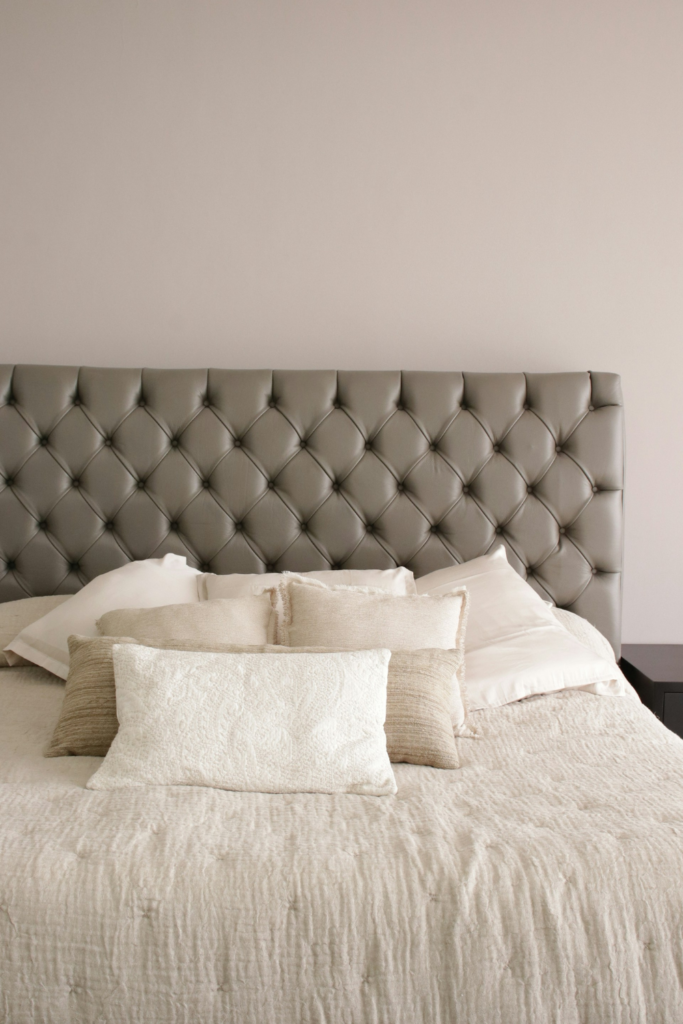
11. Area Rug ( Soft + Warm Underfoot)
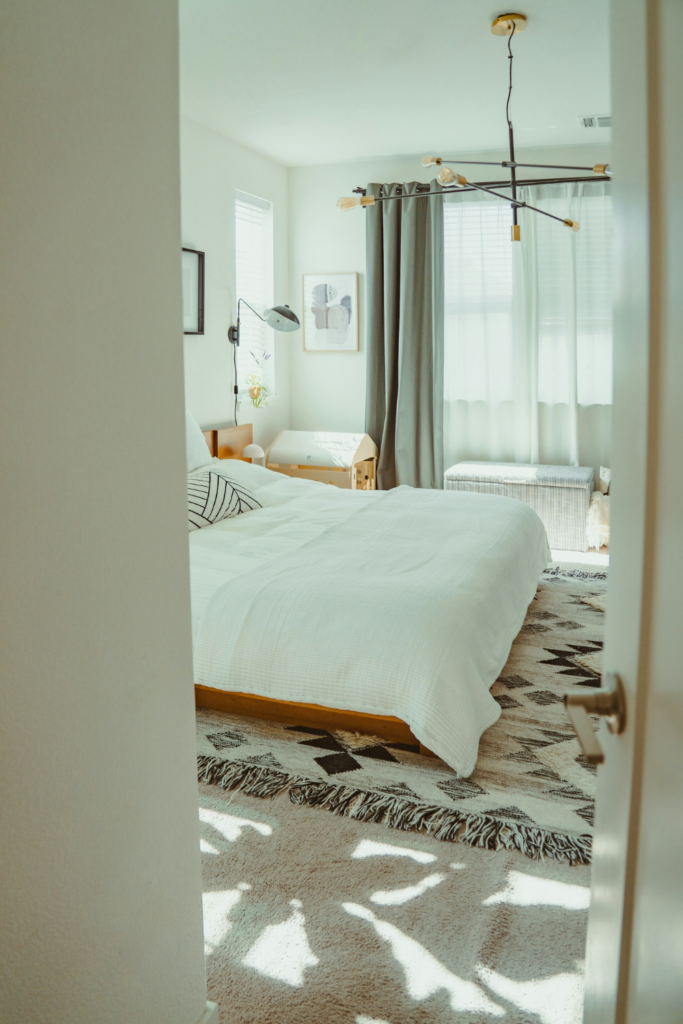
Stepping onto a cold hard floor first thing in the morning sets a tone, and it’s not a great one. An area rug changes that immediately. It adds warmth underfoot, softens the room acoustically, and helps define the sleeping area in a way that makes the whole layout feel more considered.
Size is the most important decision here. A rug that sits partially under the bed, large enough to frame the sleeping area, works best. Materials like wool, cotton blends, or soft synthetics all offer different comfort levels; a higher pile tends to feel more plush and luxurious underfoot. Neutral tones and subtle textures are the most versatile, but a patterned rug can anchor a simpler room effectively.
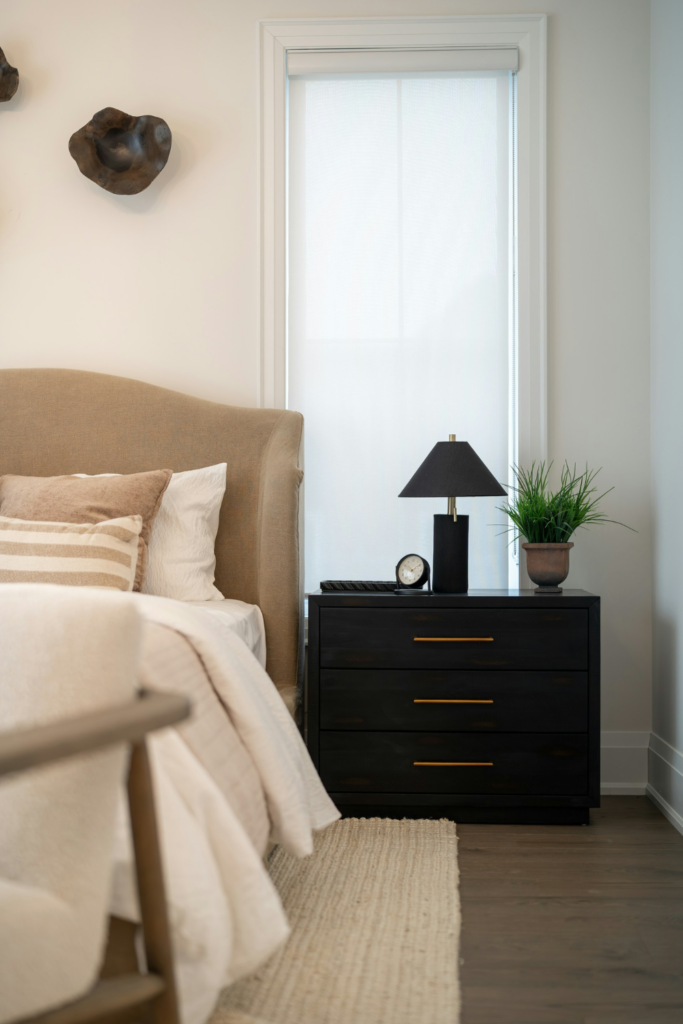
12. Upholstered Headboard
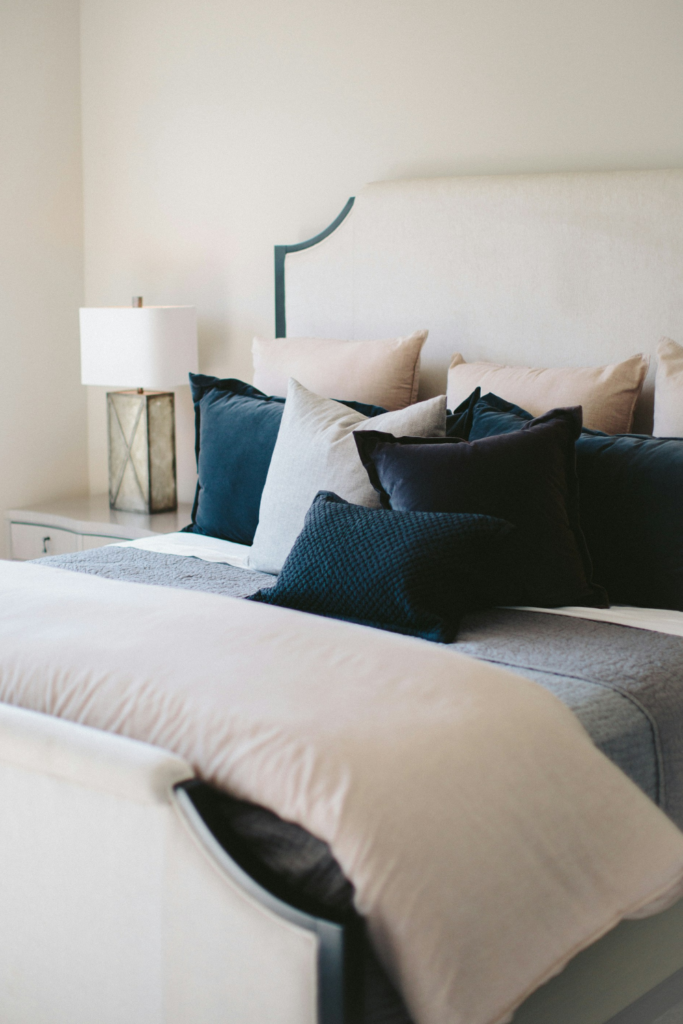
An upholstered headboard is one of those bedroom essentials that changes the feel of the room more than you’d expect. It makes sitting up in bed genuinely comfortable, whether for reading, watching something, or just winding down. It gives the bed a finished, intentional look. Hard or metal headboards or metal headboards can’t replicate that combination of comfort and visual softness.
Taller headboards make more of a statement and work well in larger rooms, while lower profiles suit minimalist or compact spaces. Linen and cotton blends feel relaxed and natural; velvet adds richness and warmth. Choose a color that sits comfortably within your existing palette rather than competing with your bedding.
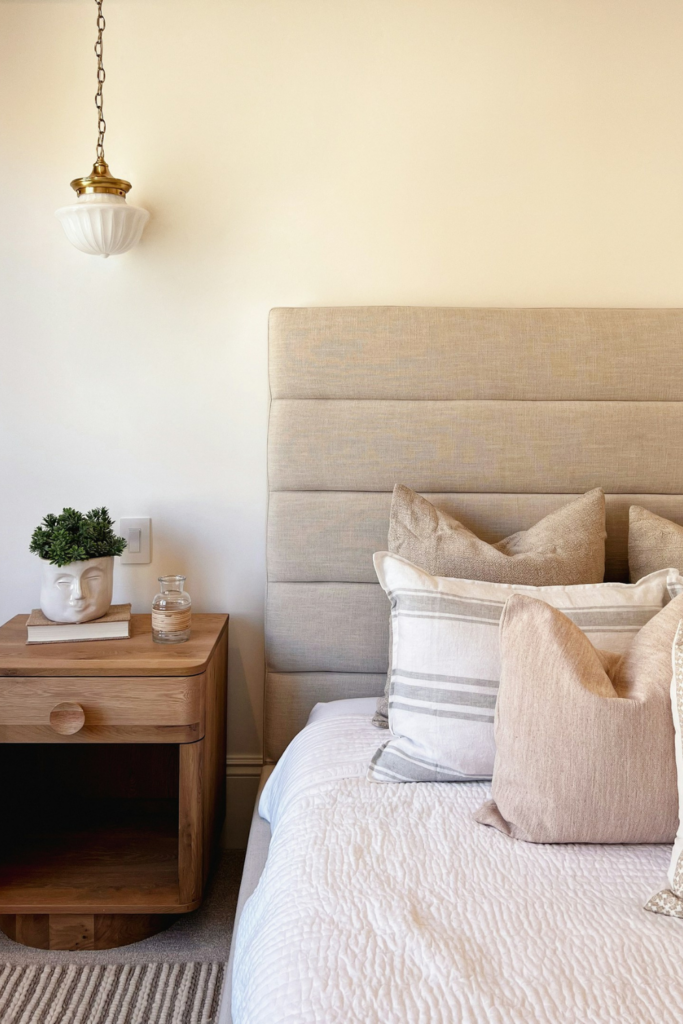
13. Bed Frame (Platform or Storage)
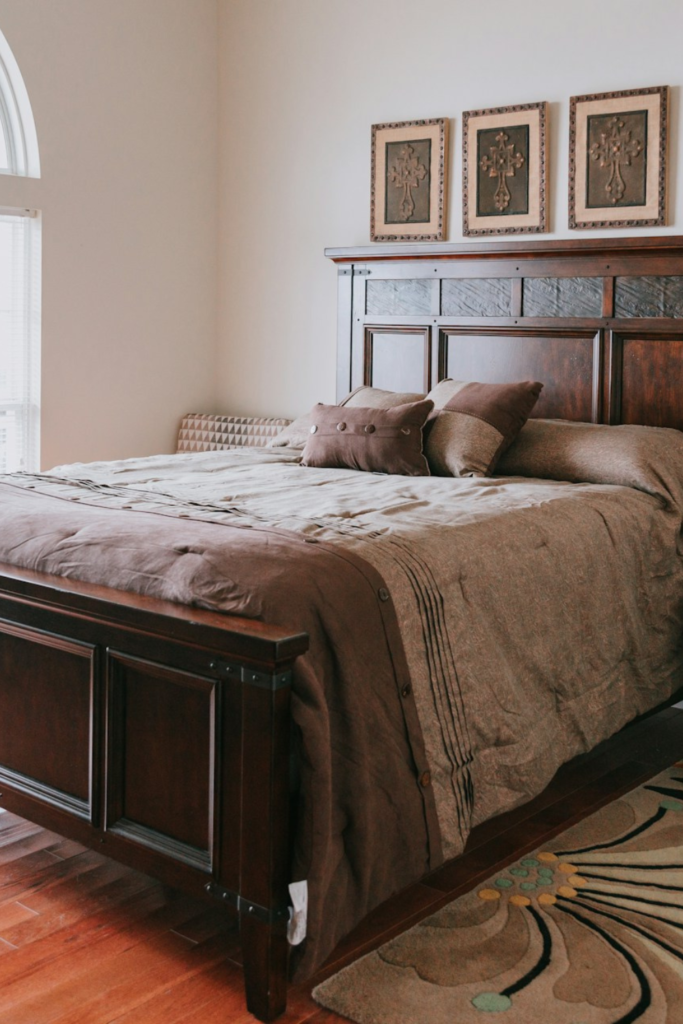
Your bed frame is the foundation everything else builds on, so it’s worth choosing with both aesthetics and practicality in mind. Platform frames sit low and clean with no box spring needed, and they tend to suit modern or minimalist bedrooms particularly well. Storage frames use the space beneath the mattress with built-in drawers or a lift-up base, which is genuinely useful in rooms where storage is limited.
Material and finish shape the entire mood of the room. Light wood keeps things airy and warm; darker tones add contrast and grounding. An upholstered frame softens the room, while metal brings a more contemporary edge. Whatever you choose, make sure it works with your headboard and bedside tables so the overall look feels cohesive rather than assembled.
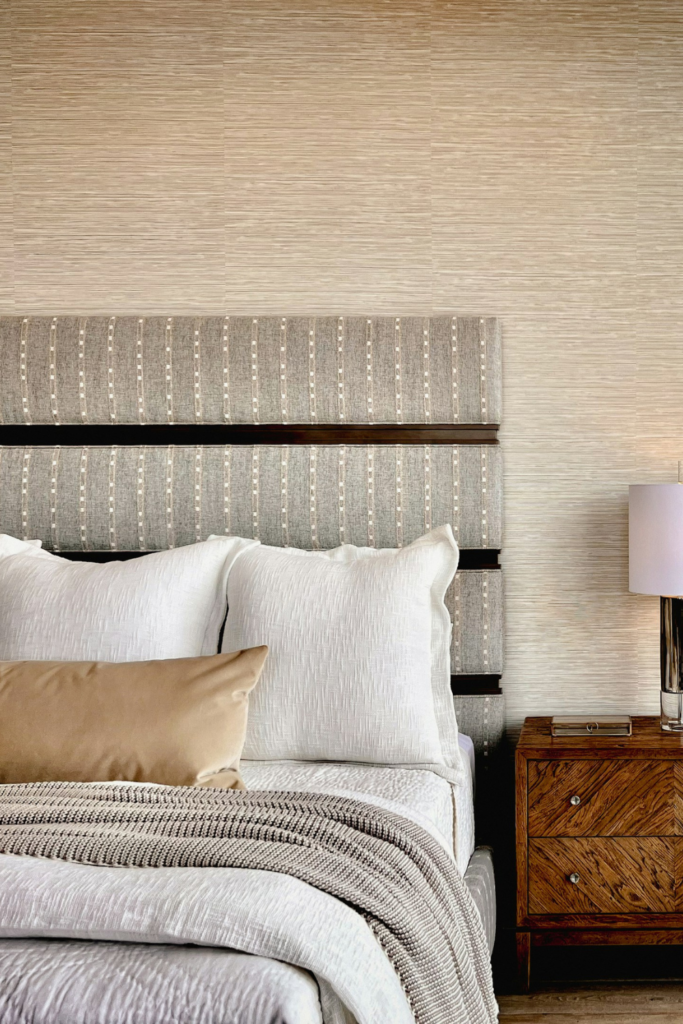
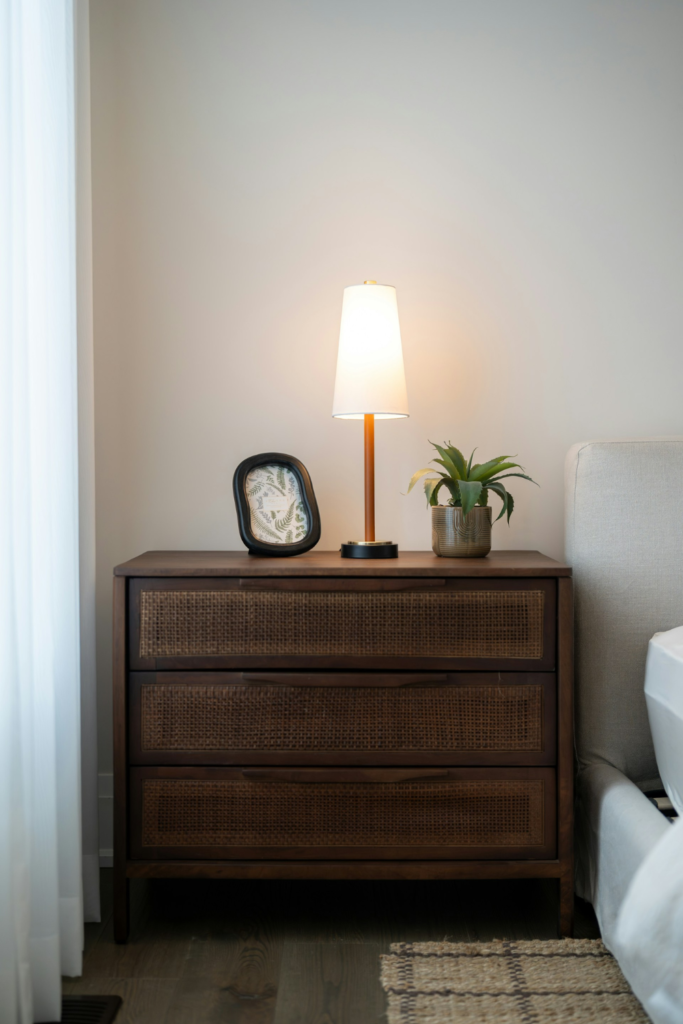
14. Bedside Table
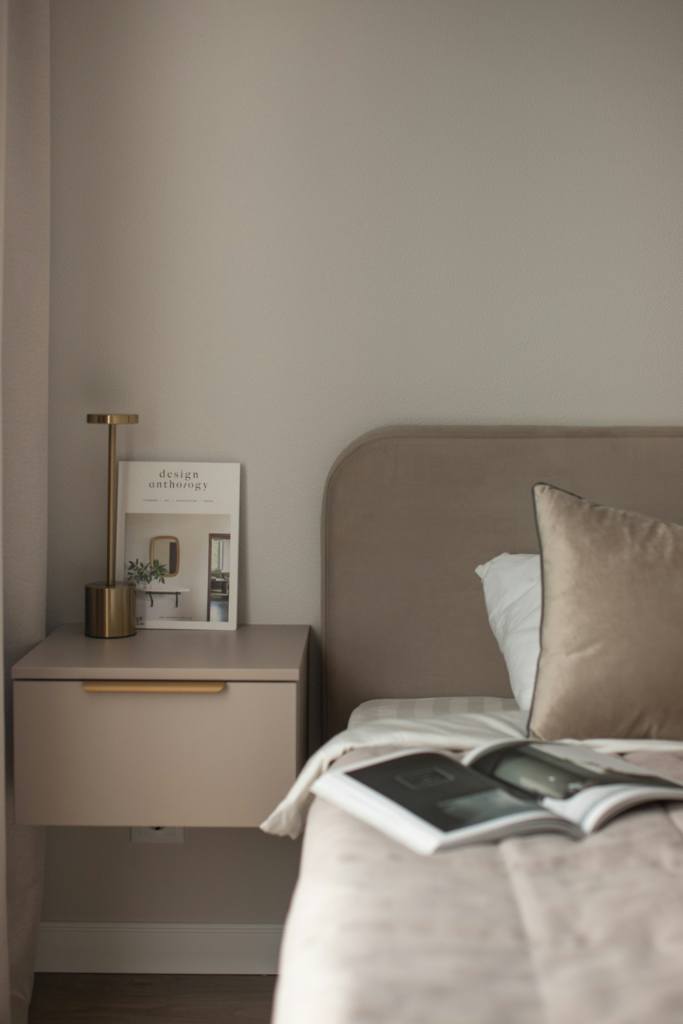
It’s a simple piece, but the difference between having a proper bedside table and making do without one is noticeable every single day. You need somewhere to put a lamp, your phone, a glass of water. Getting that off the floor and onto a proper surface immediately makes the room feel more organized.
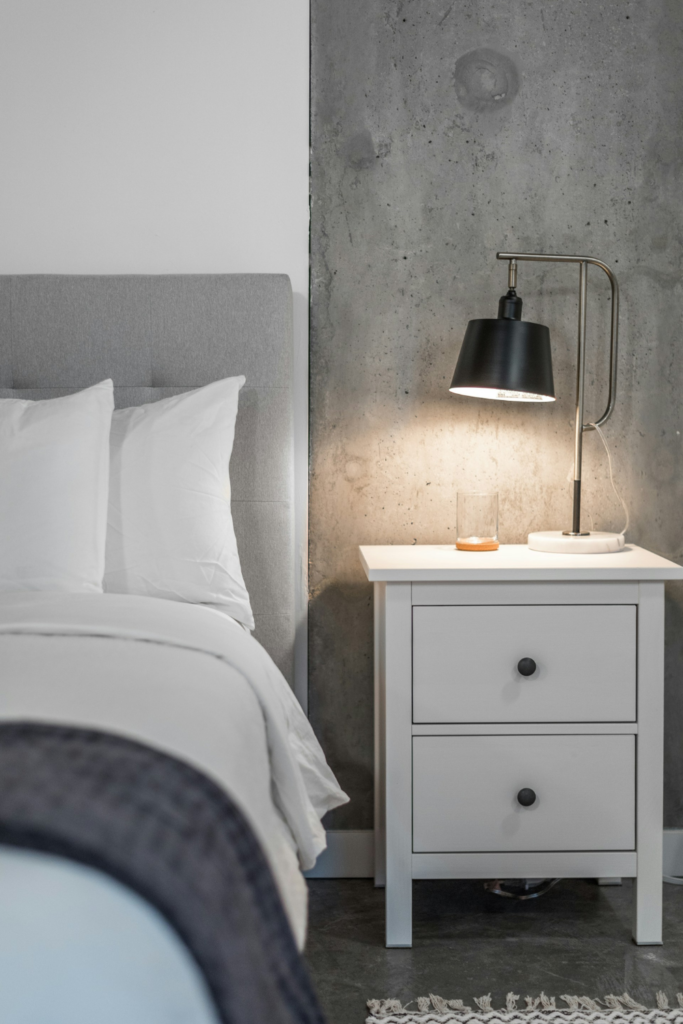
Height matters more than people tend to think. Aim for something roughly level with the top of your mattress so everything is easy to reach. In smaller rooms, a compact or wall-mounted option keeps the floor clear without sacrificing function. Drawers are useful for reducing visible clutter; open shelving gives a lighter, more minimal feel. Match the finish to your bed frame for a more pulled-together look.
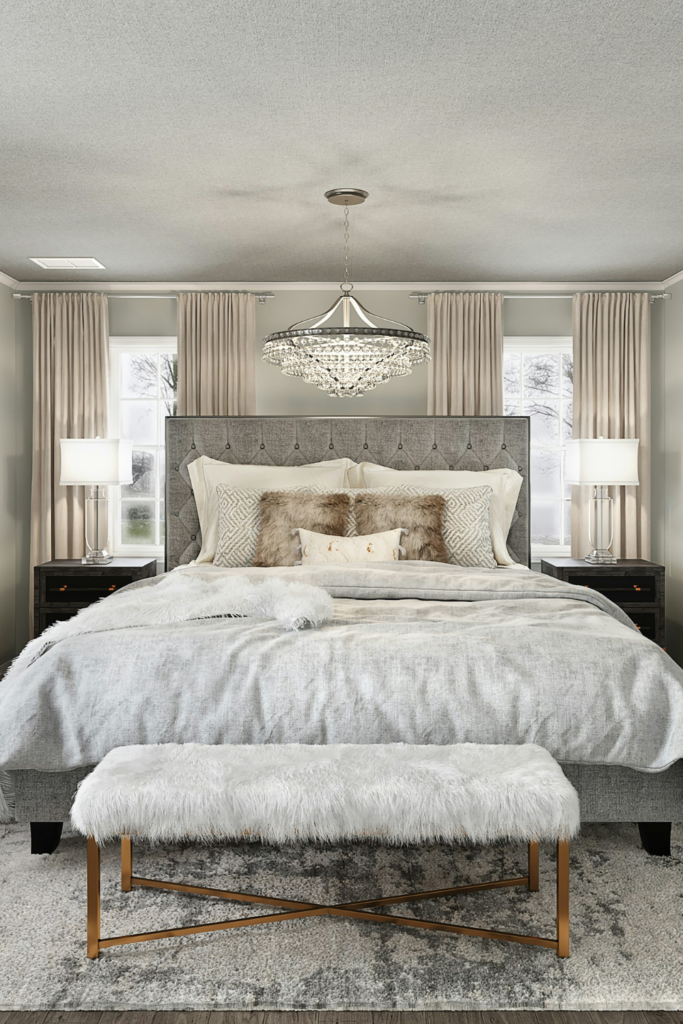
15. Bedroom Bench (End of Bed)
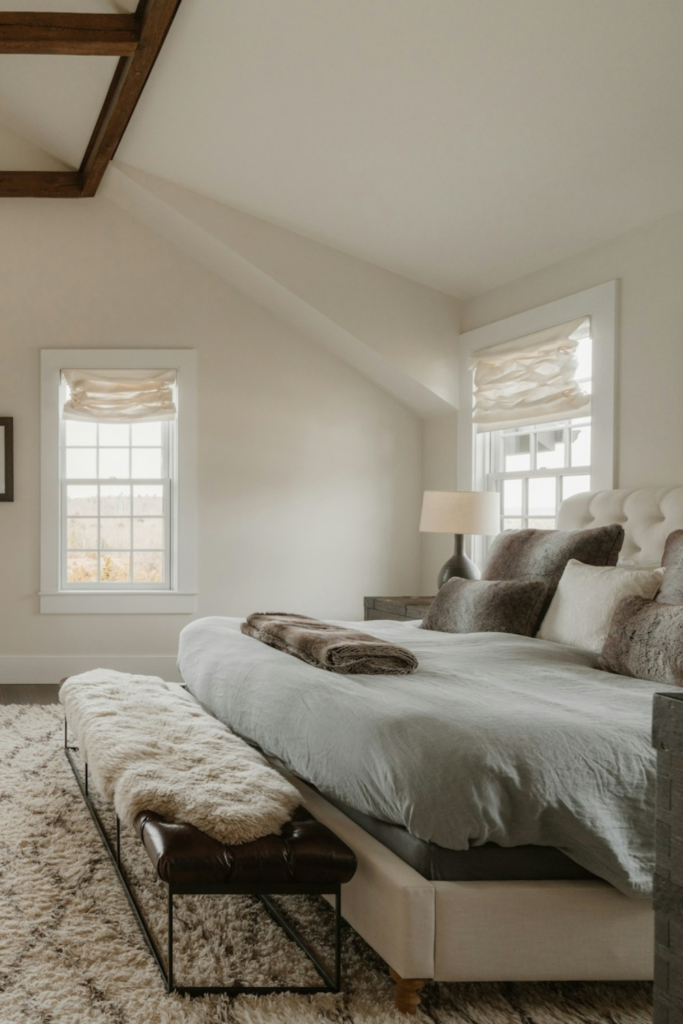
A bench at the foot of the bed is one of those details that quietly elevates a bedroom from looking like a room to looking like a space someone thought about. It’s practical: somewhere to sit while getting dressed, a place to rest a throw blanket or tomorrow’s outfit. It it also gives the room a more finished, layered quality.
Proportion is key: the bench should be close to the width of the bed so it looks balanced, not undersized. Upholstered options add softness and warmth; wooden or metal designs lean more contemporary. Some benches include hidden storage underneath, which is worth considering if you need the extra space. Choose a finish that complements your bed frame so it reads as intentional, not an afterthought.
16. Modern Dresser
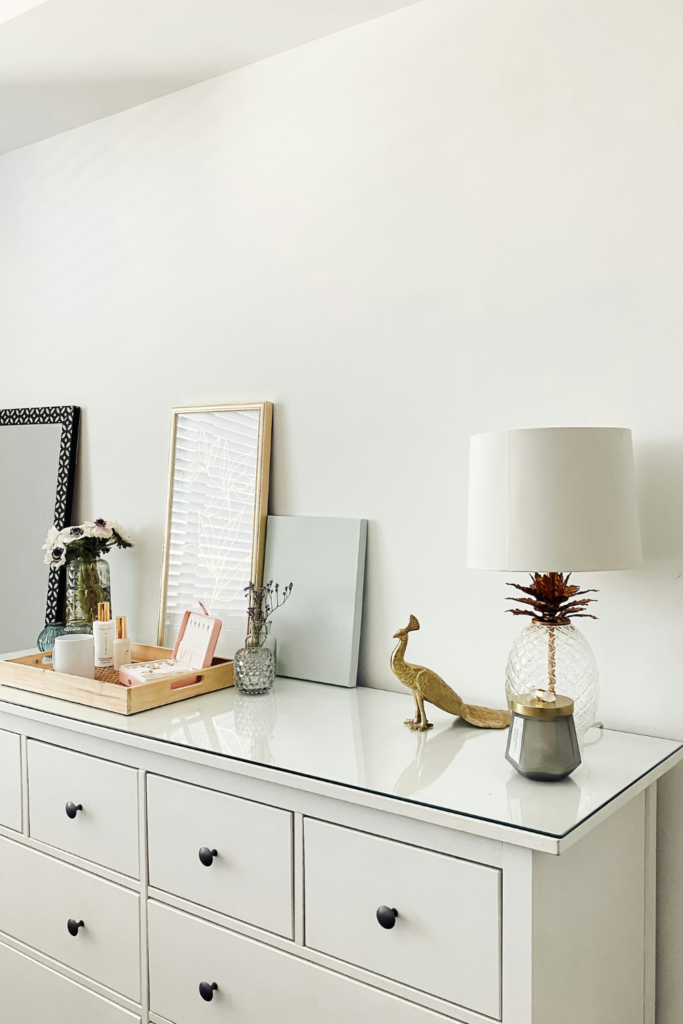
A dresser might be the most underappreciated bedroom essential on this list. When your clothing has a designated home, the rest of the room feels calmer almost automatically. There’s less visual noise, fewer decisions, and less clutter. It also gives you a surface to style with a mirror, a plant, or a lamp, which can add real warmth to what might otherwise be a bare wall.
Room size should guide your choice. A wider, lower dresser works well in larger rooms; a taller, narrower chest of drawers is better for compact spaces. Light wood and neutral tones keep the room feeling airy, while darker finishes add contrast and structure. Matching the dresser to your bed frame creates a more cohesive, deliberate look.
17. Full-Length Mirror
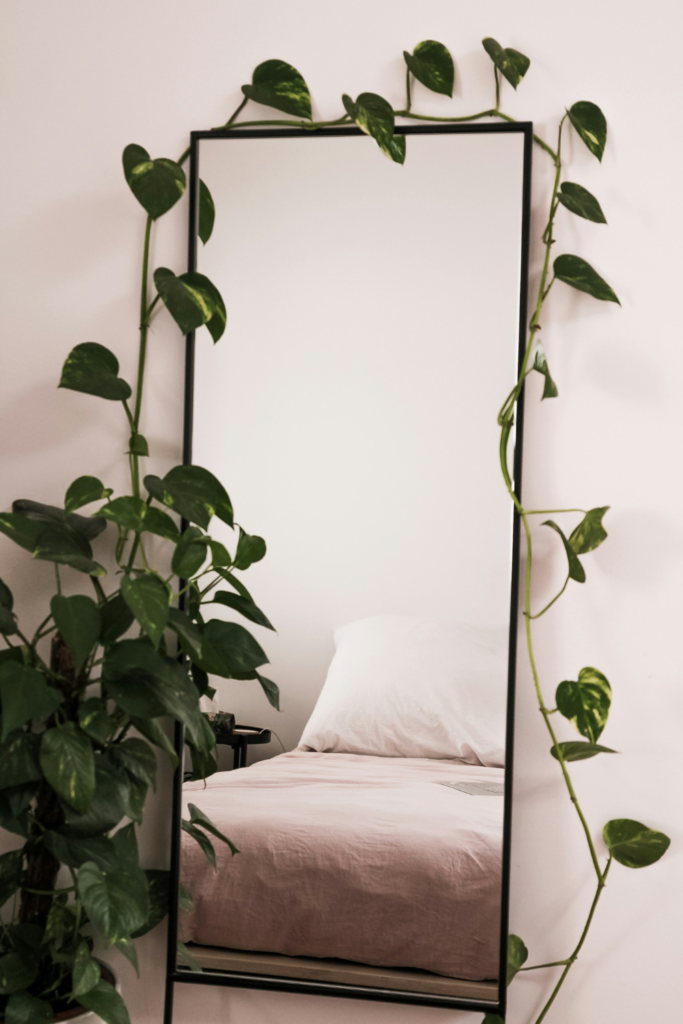
A full-length mirror is one of the most functional bedroom essentials you can add, and it also happens to make the room look better. Seeing your full outfit in one glance saves time every morning and removes the guesswork. On top of that, it reflects light around the room, making smaller spaces feel noticeably brighter and more open.
Lean it against the wall or mount it flat; both work depending on your layout. Positioning it near a window gets the most out of the light-reflecting effect. Frame-wise, a simple black or wooden surround is timeless and works with almost anything. More decorative frames can double as a statement piece if your room leans that way.
18. Bedroom Wall Art/Prints
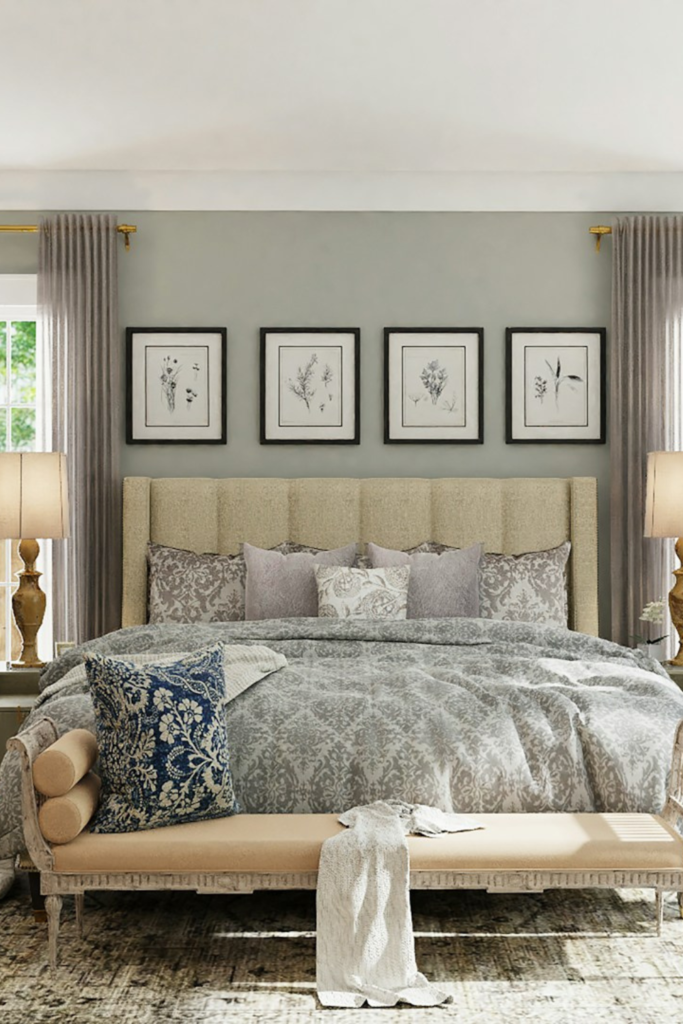
Wall art is often the last thing people think about, but it’s what makes a bedroom feel personal rather than generic. A single well-placed print above the bed can completely anchor the space and give it a mood. Abstract designs, calm nature scenes, minimal line art. The style matters less than choosing something that genuinely resonates with you.
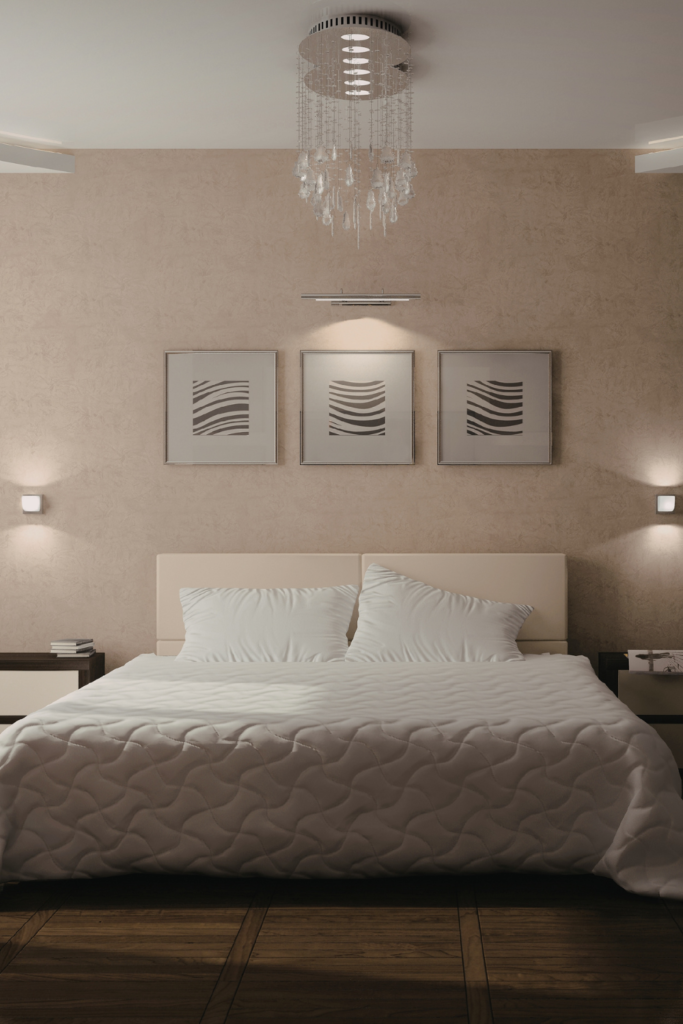
Scale and placement are where most people go wrong. A piece that’s too small above the bed will look lost; too large and it overpowers everything else. A gallery wall of smaller prints is a good alternative if you want more flexibility. Stick to two or three tones that already exist in your bedding or decor so the art feels integrated, not just added on.
Bringing Your Bedroom Essentials Together
Getting your bedroom to feel right doesn’t require doing everything at once. Start with the pieces that impact comfort most: bedding, lighting, and a rug, then layer in the rest over time. The rooms that feel the best aren’t necessarily the most styled. They’re the ones where everything has a purpose and nothing feels out of place.
If this list helped, save it to Pinterest so you can come back to it when you’re ready to shop. And if you’re still building out your space, check out our 15 Vintage Bedroom Finds for 2026 or 12 Cozy Bedroom Finds Under $50 for more ideas.