10+ Must-Have Baking Essentials for Beginners (2026 Guide)
Disclosure: This post may contain affiliate links, which means we may earn a small commission if you make a purchase through our links — at no extra cost to you. We only recommend products we genuinely love and believe will add value to your home. Thank you for supporting TheHomeGlowUps.
Getting into baking is one of the most rewarding things you can do in the kitchen, but having the wrong tools makes every step harder than it needs to be. The good news is that you don’t need a lot to get started. A well-chosen set of baking essentials for beginners covers most recipes and gives you a reliable foundation to build from. In this guide, I’m sharing 14 of the best tools to stock your kitchen with in 2026, covering everything from the basics to the pieces that genuinely level up your results.
1. Measuring Cups
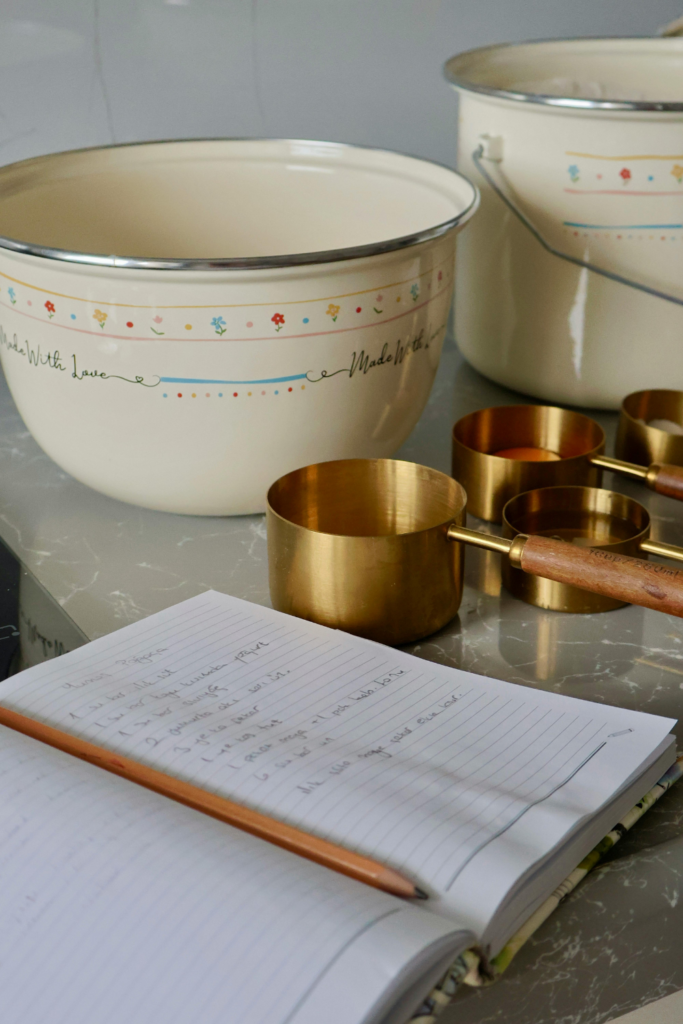
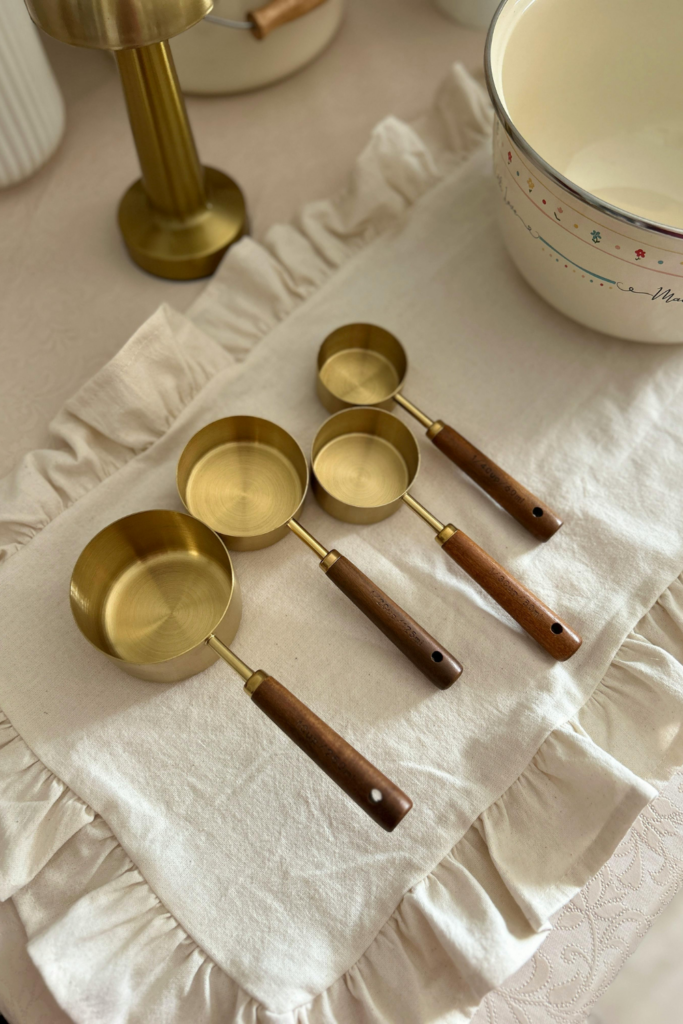
Baking is far less forgiving than cooking when it comes to quantities. Too much flour makes a cake dense; too little liquid and everything dries out. That’s why accurate measuring cups are the first baking essential worth getting right. Dry cups are designed to be filled and leveled off at the top, while liquid cups have a spout and measurement markings you read at eye level. Using the wrong type for the job is one of the most common beginner mistakes, and an easy one to fix.
When shopping for a set, look for stainless steel or BPA-free plastic for dry measuring, and glass for liquid. Glass lets you see exactly where the measurement lands without guessing. A complete set covering standard sizes means you can follow most recipes without any substitutions or mental math.
2. Stand Mixer
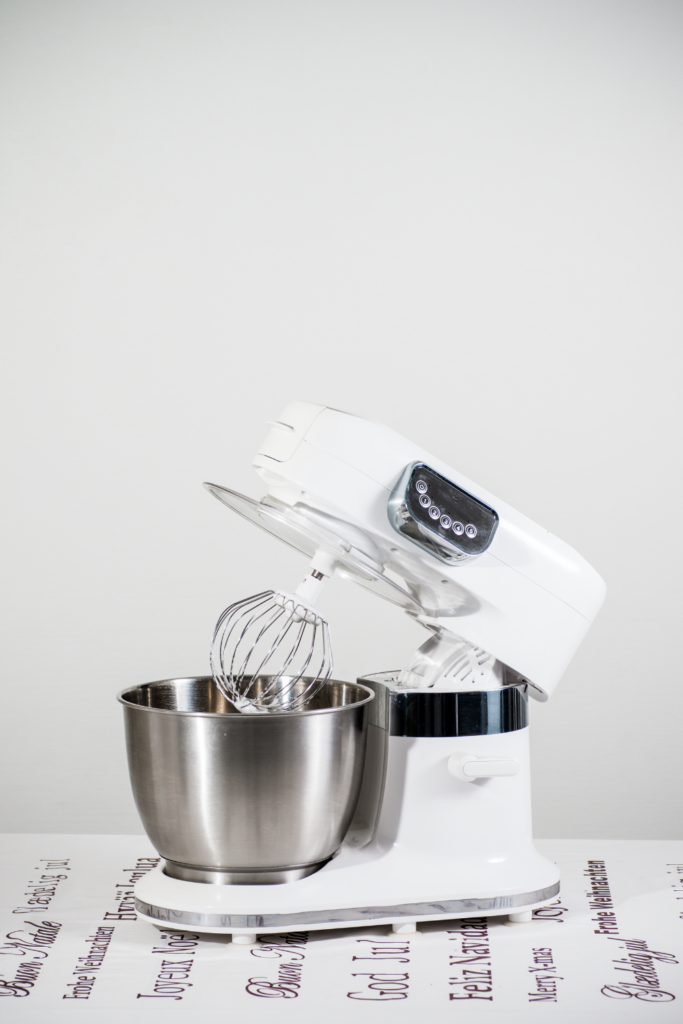
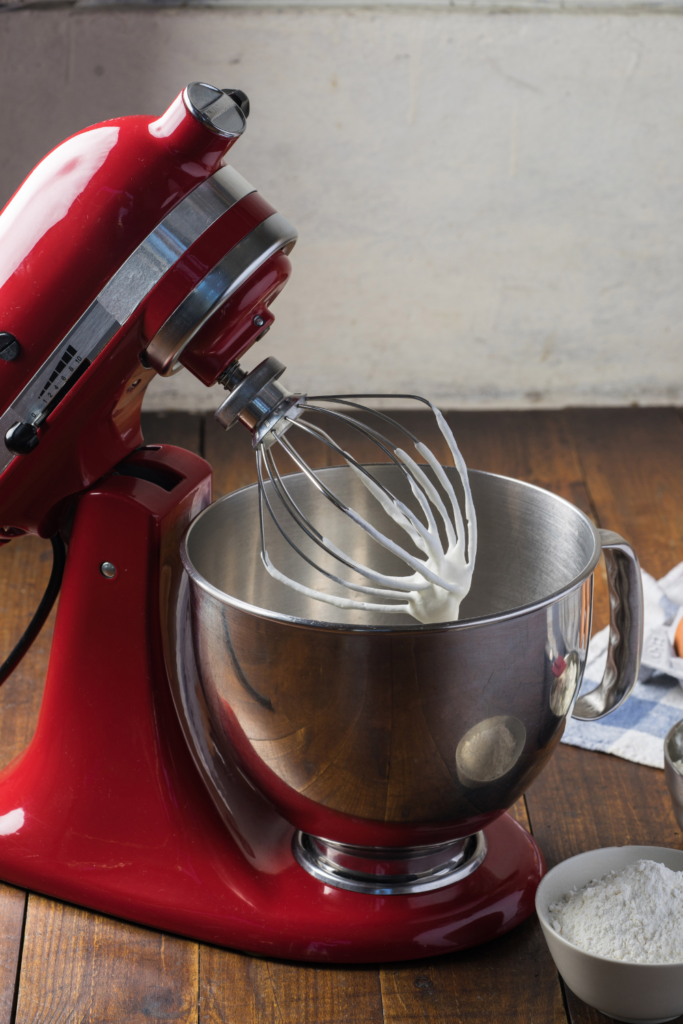
A stand mixer is the single biggest upgrade you can make to your baking setup. It handles the heavy lifting, kneading bread dough, whipping cream to stiff peaks, beating butter and sugar until light, without tiring out your arms or requiring your constant attention. That alone changes the experience of baking considerably, especially for recipes that need extended mixing time.
While the mixer runs, you can prep other ingredients, line your tins, or just clean as you go. When choosing one, motor power and bowl capacity are the main things to consider. A more powerful motor handles thick bread doughs without straining. If you mainly bake cakes and cookies, a mid-range model will cover everything you need. Start on a low speed to avoid splatter, then gradually increase as everything comes together.
3. Muffin Pan
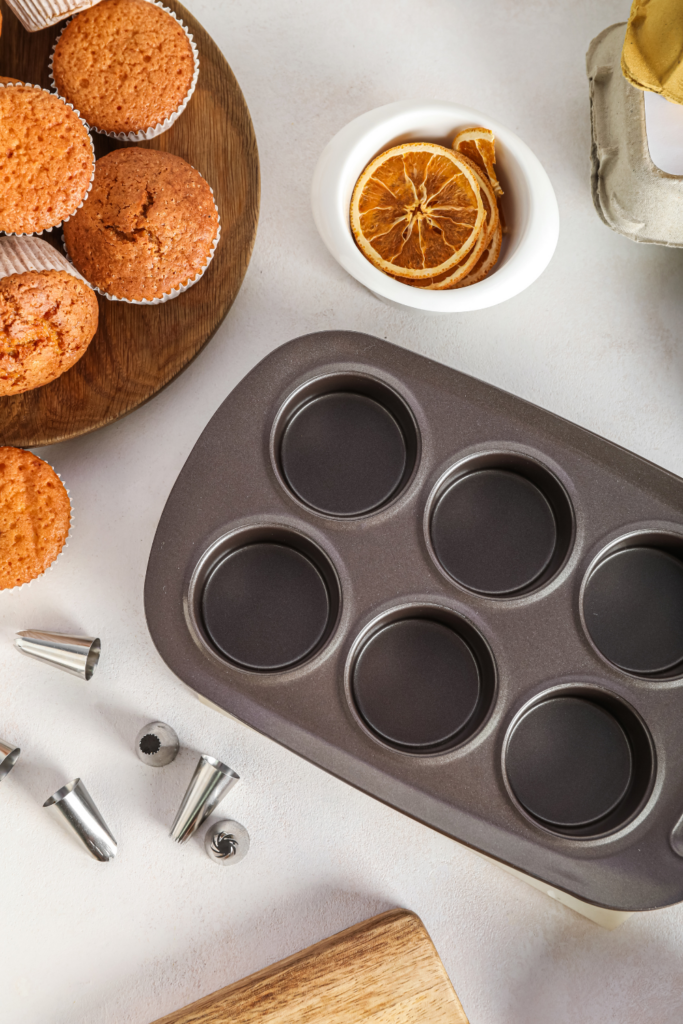
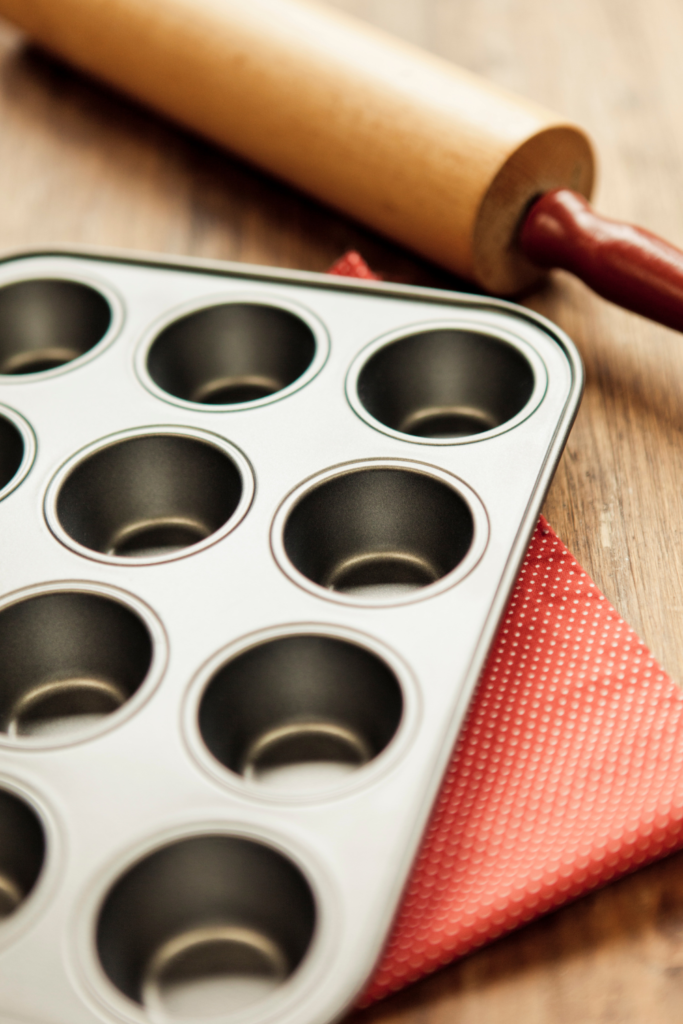
A muffin pan earns its place in any beginner’s kitchen quickly. Beyond muffins and cupcakes, it works for mini quiches, egg cups, portioned brownies, and frozen desserts. Each cup distributes heat evenly, which means your bakes cook at the same rate across the whole batch. That consistency is hard to achieve with a standard baking tray.
A 12-cup pan covers most standard recipes, but a 6-cup version is worth having if you bake in smaller quantities or have limited oven space. Non-stick is worth the small extra cost; it makes releasing your bakes much cleaner and cuts down on washing up significantly.
4. Measuring Spoons
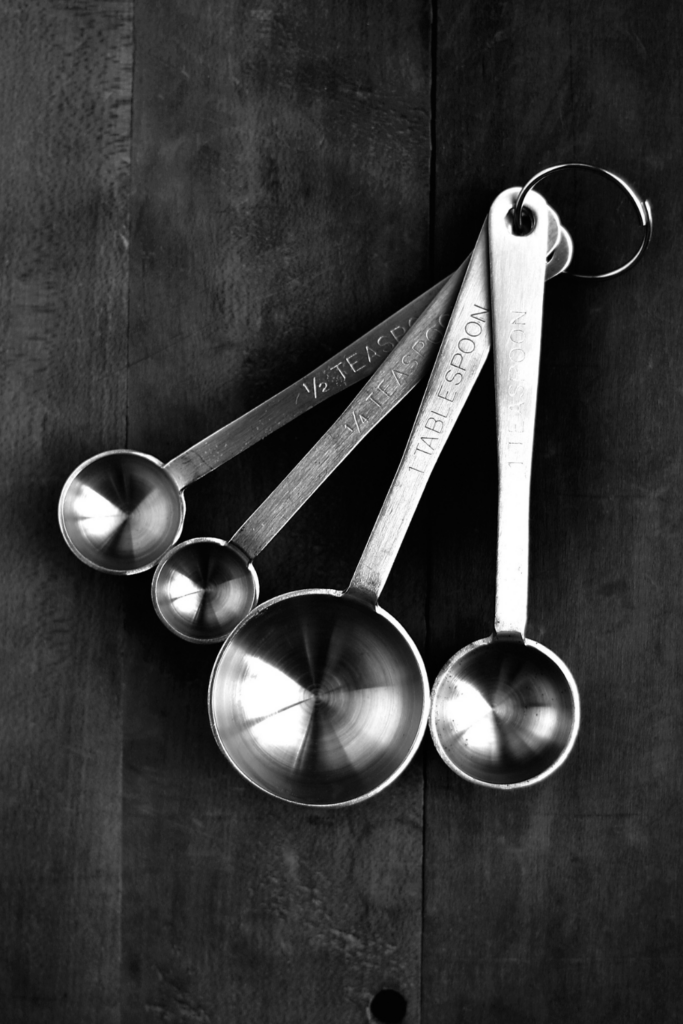
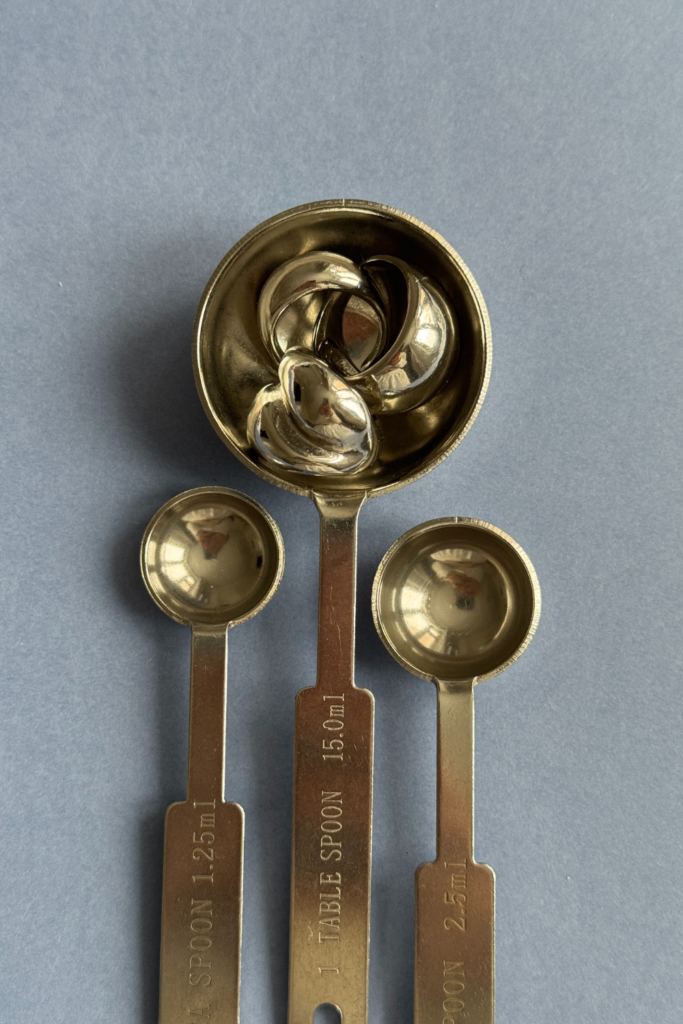
Measuring spoons might seem minor compared to other baking essentials for beginners, but small quantities have an outsized effect in baking. A half teaspoon too much baking soda can leave a metallic aftertaste; a little too little vanilla and the flavor falls flat. Precise spoons take the guesswork out entirely.
Look for a set with clearly stamped measurements and a narrow spoon profile, since narrower spoons fit into spice jars without needing to decant. Stainless steel holds up better over time than plastic and doesn’t absorb odors. Sets that connect with a ring keep everything together in a drawer and mean you’re never hunting for just one size mid-recipe.
5. Loaf Pan
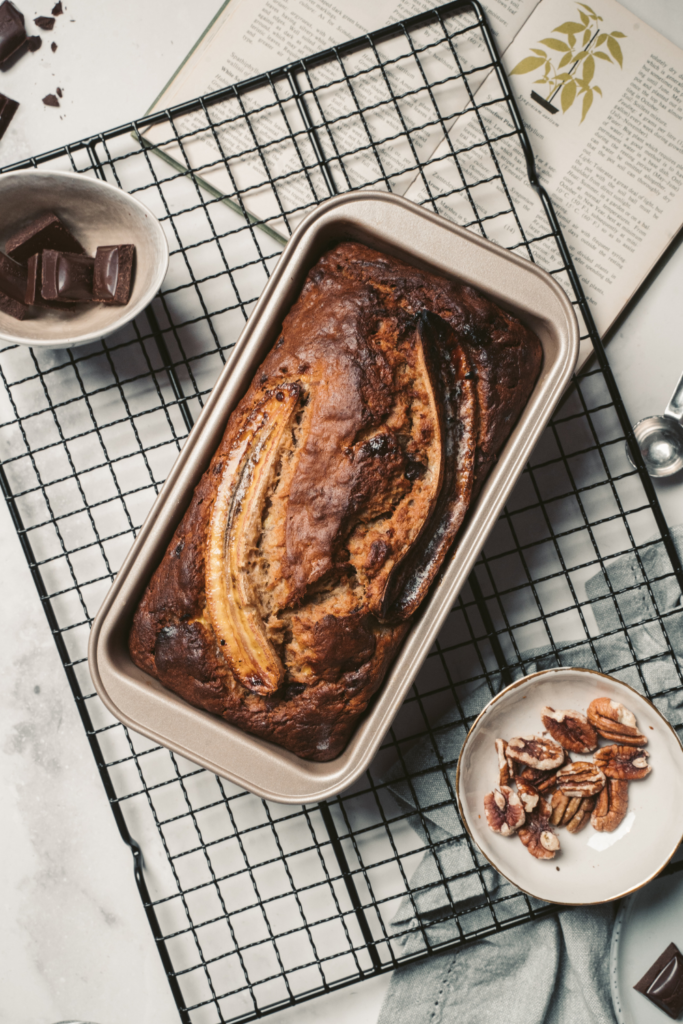
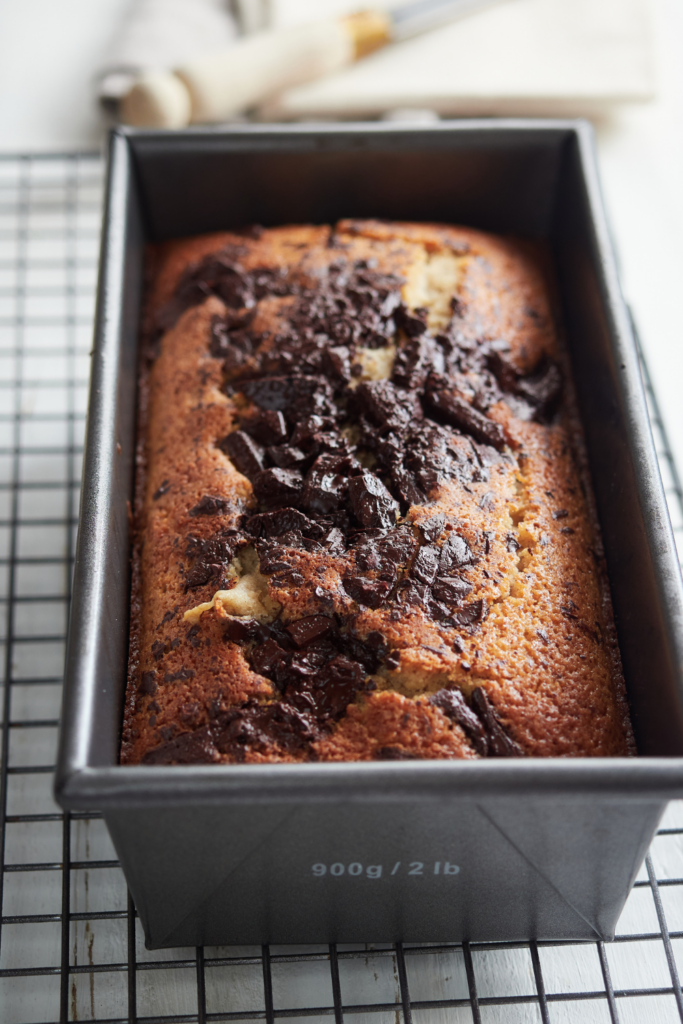
A loaf pan is one of the most straightforward baking essentials you can own. Banana bread, zucchini bread, pound cake, simple sandwich loaves: they all rely on this one shape. The structured sides support the batter as it rises and give you a consistent, neat result that slices cleanly.
Heavier pans distribute heat more evenly, which reduces the risk of burnt bottoms or underdone centers. Non-stick is especially useful here since loaf batters tend to be denser and can stick in corners if the pan isn’t well prepared. If a recipe specifies a size, it’s worth following closely; a smaller pan with too much batter will overflow, while a larger one can leave you with a flat, undersized loaf.
6. Mixing Bowls
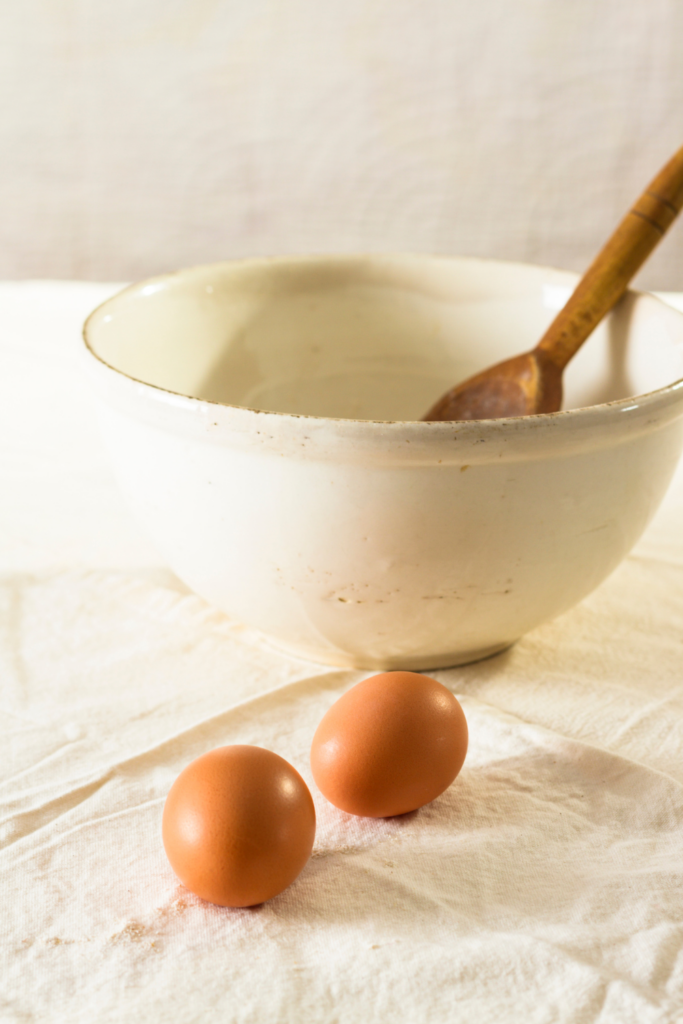
Good mixing bowls make the whole process more organized. Keeping dry and wet ingredients in separate bowls before combining them helps you work cleanly and reduces the chance of errors mid-recipe. A set in varying sizes means you always have the right bowl for the job, whether that’s whisking a single egg or folding together a large batch of cookie dough.
Stainless steel is lightweight, durable, and easy to clean. Glass is heavier but lets you see your mixture clearly and can double as serving bowls. Non-slip bases are worth looking for; a bowl that shifts around while you’re mixing quickly becomes frustrating. Nesting sets save storage space, which matters when kitchen storage is limited.
7. Piping Bags and Tips
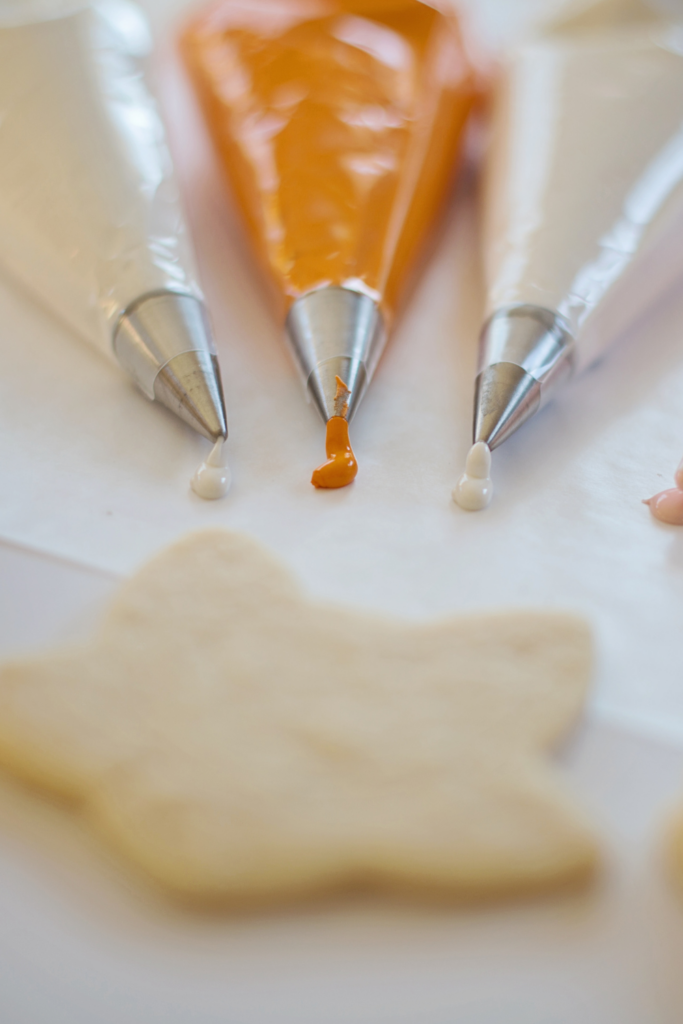
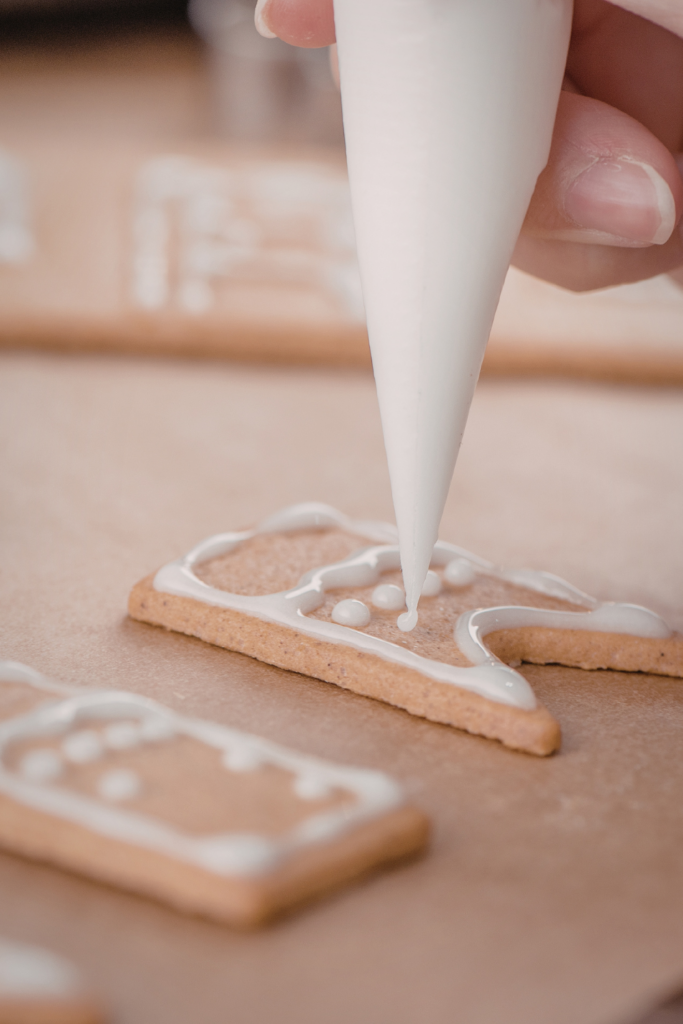
Piping bags transform the finish on your baked goods without requiring a lot of skill to learn. Neatly piped frosting on cupcakes looks noticeably more polished than spreading it with a spatula, and once you get comfortable with basic tips, you can build up your decorating confidence from there. They’re also practical beyond decoration: use them to fill choux pastry, portion batter into muffin cups, or shape shortbread dough.
Start with a balloon or round tip and a star tip, which together cover most beginner decorating needs. Thicker frosting gives you better control as you’re learning. Apply steady, even pressure and hold the bag at a consistent angle. The technique becomes second nature quickly, and the results are genuinely satisfying.
8. Sifter/Sieve
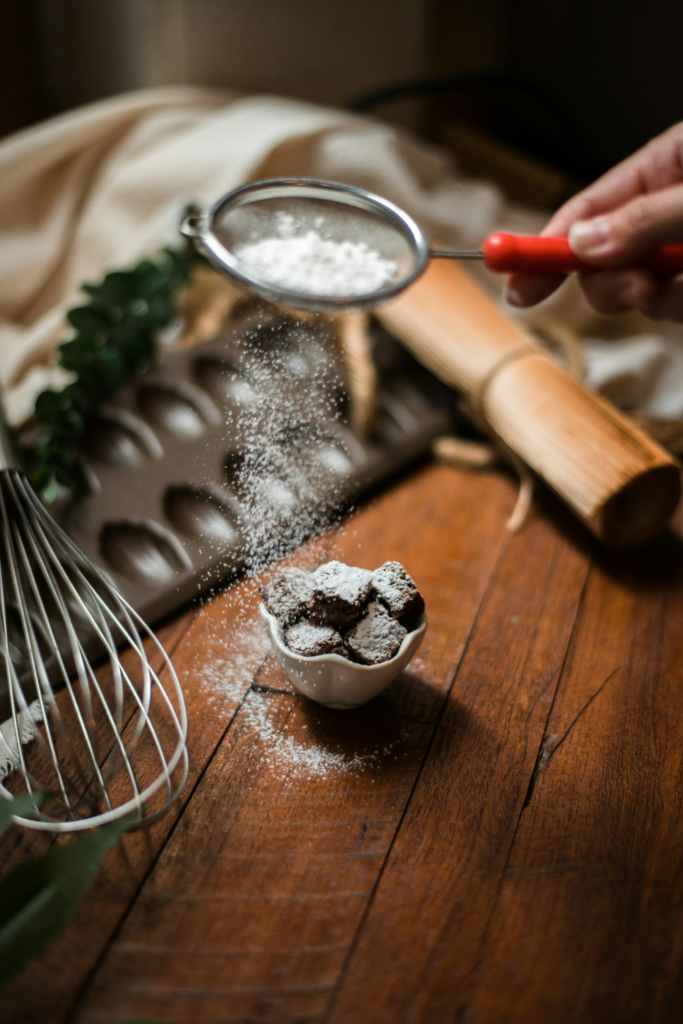
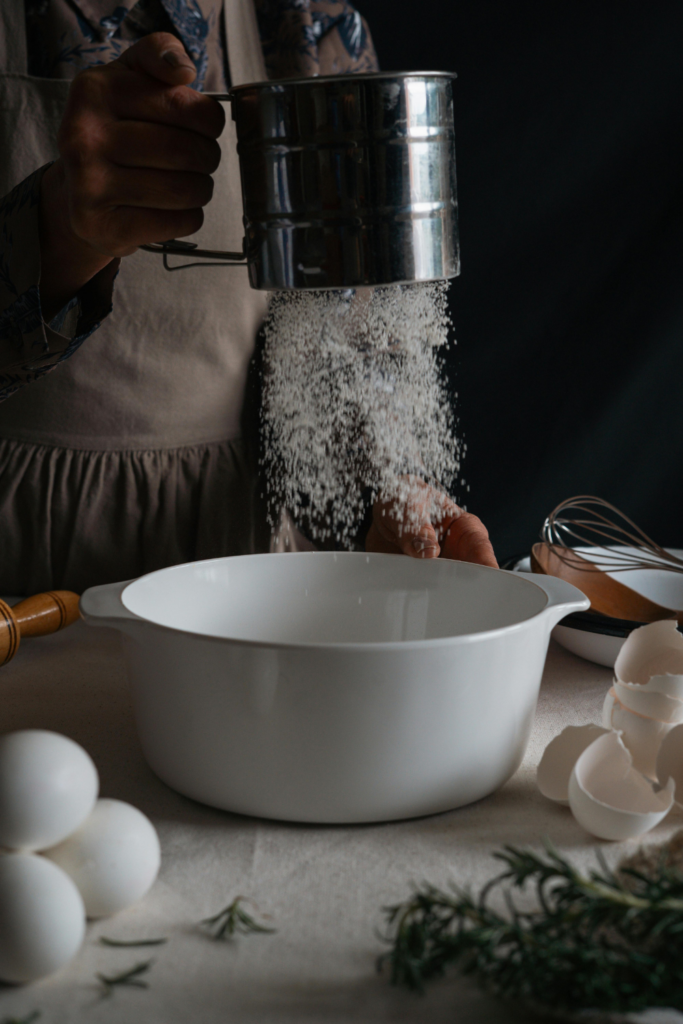
Sifting flour is one of those steps that beginners often skip, and it’s also one of the reasons cakes don’t turn out as light as expected. Running flour through a sifter breaks up clumps and adds air before it goes into the batter, which produces a noticeably softer crumb. Beyond flour, it’s also the most reliable way to evenly combine multiple dry ingredients like baking powder, cocoa, and salt before they hit the wet mix.
A fine mesh sieve is the most versatile option since it works for sifting, straining, and dusting powdered sugar or cocoa over finished bakes. Stainless steel versions hold up better than plastic over time. A simple hand-held sieve is easy to clean and doesn’t take up much storage space, which makes it a practical choice for a beginner’s kitchen.
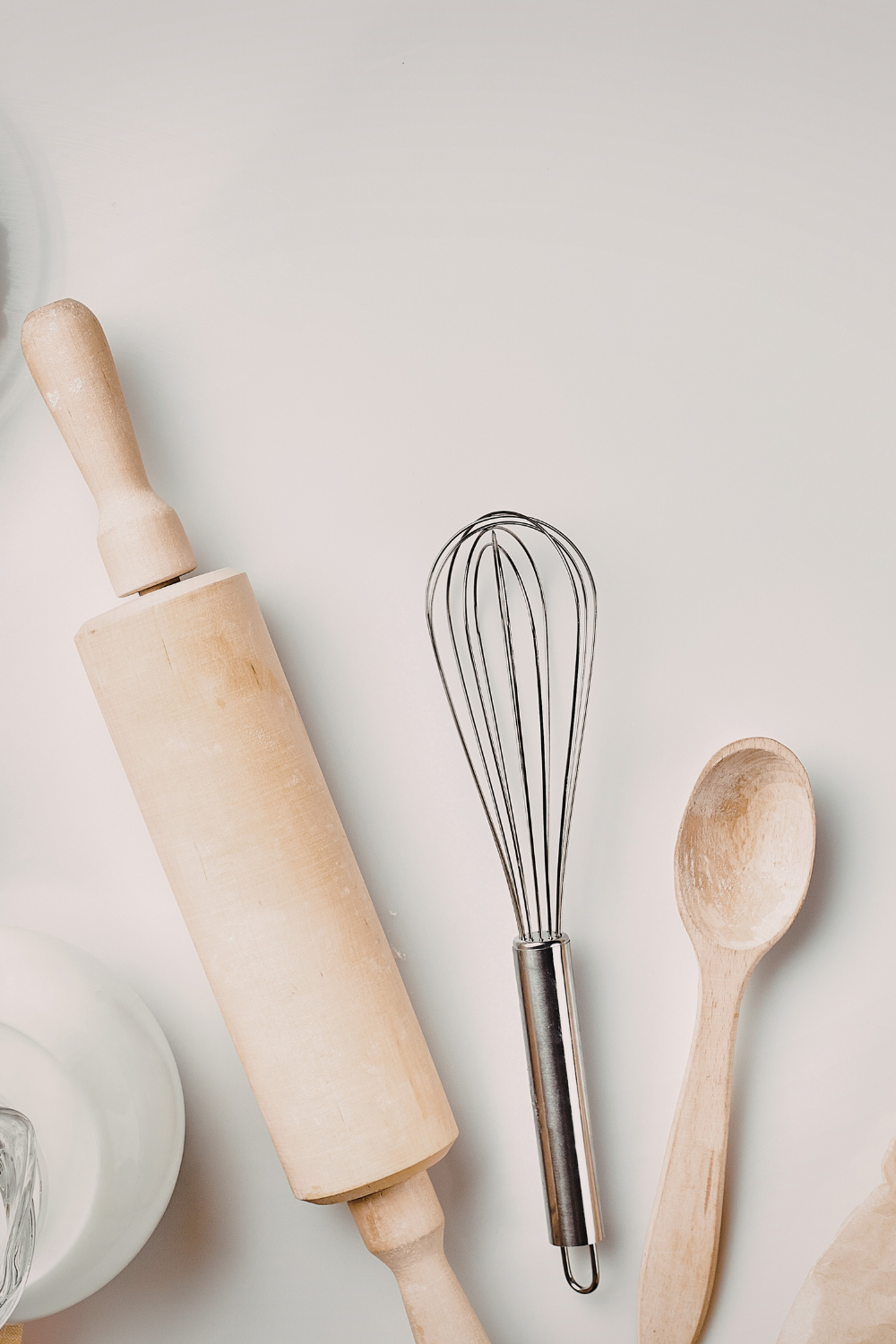
9. Rolling Pin
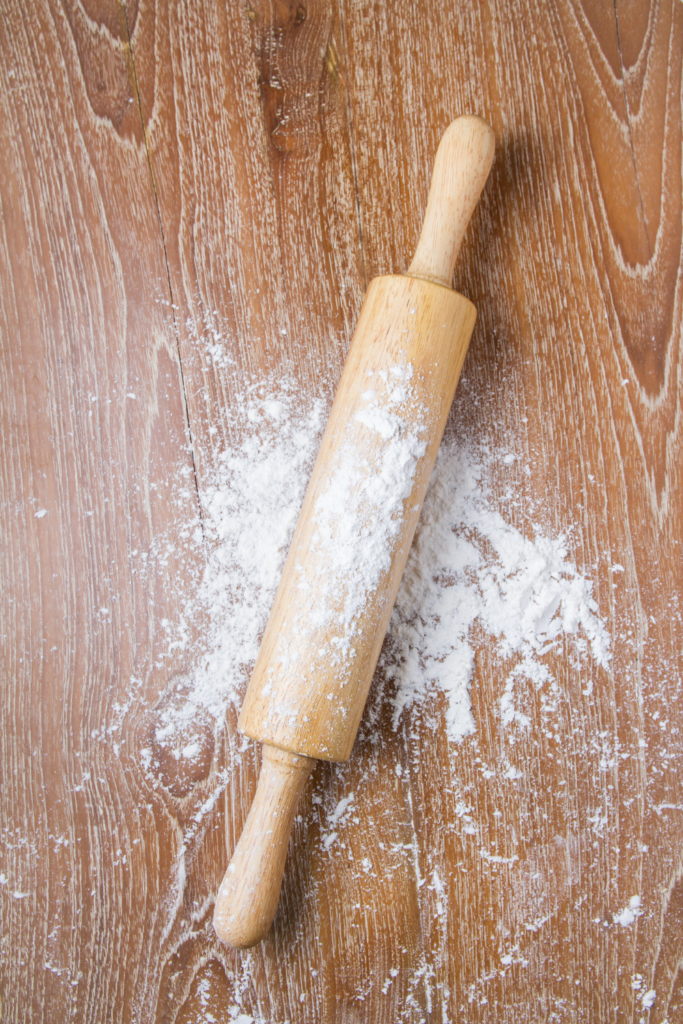
Once you start making pastry, cookies, or pizza dough, a rolling pin quickly becomes essential. It lets you flatten dough to an even thickness across the whole surface, which matters for even baking. Dough that’s uneven in thickness will have thinner parts that overbake and thicker parts that stay undercooked. A good rolling pin solves that problem with minimal effort.
Wooden pins offer good grip and control and tend to be the most beginner-friendly. Marble and stainless steel stay cooler, which helps with pastry doughs that need to stay chilled. Roll from the center outward rather than back and forth, and flour your surface lightly to prevent sticking. It’s a small technique adjustment that makes a real difference in your finished results.
10. Cooling Rack
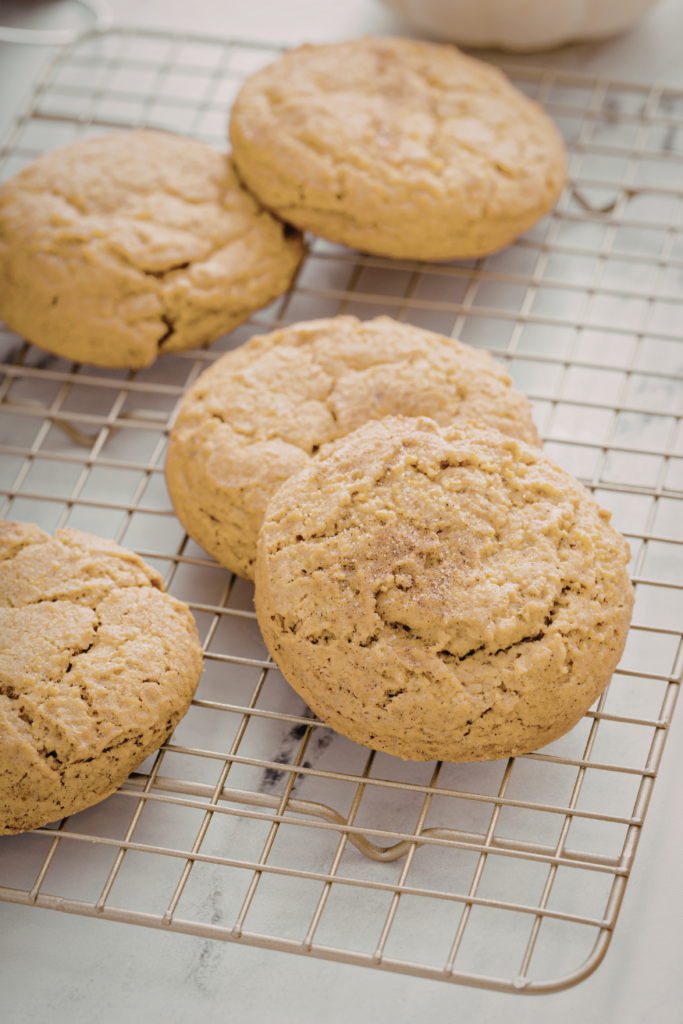
A cooling rack is one of those baking essentials for beginners that gets overlooked until you understand why it matters. Leaving baked goods on a hot tray after they come out of the oven means they keep cooking from residual heat, which can overbake the bottom and trap moisture underneath. A cooling rack lets air circulate on all sides, stopping the cooking process and keeping textures where they should be.
Transfer your bakes to the rack a few minutes after pulling them from the oven, giving them just enough time to firm up slightly before moving. Space items out so air moves freely between them. Racks are also useful beyond baking: they work well for glazing cakes, cooling fried foods, and drying decorated cookies without the base going soft.
11. Glass Pie Dish
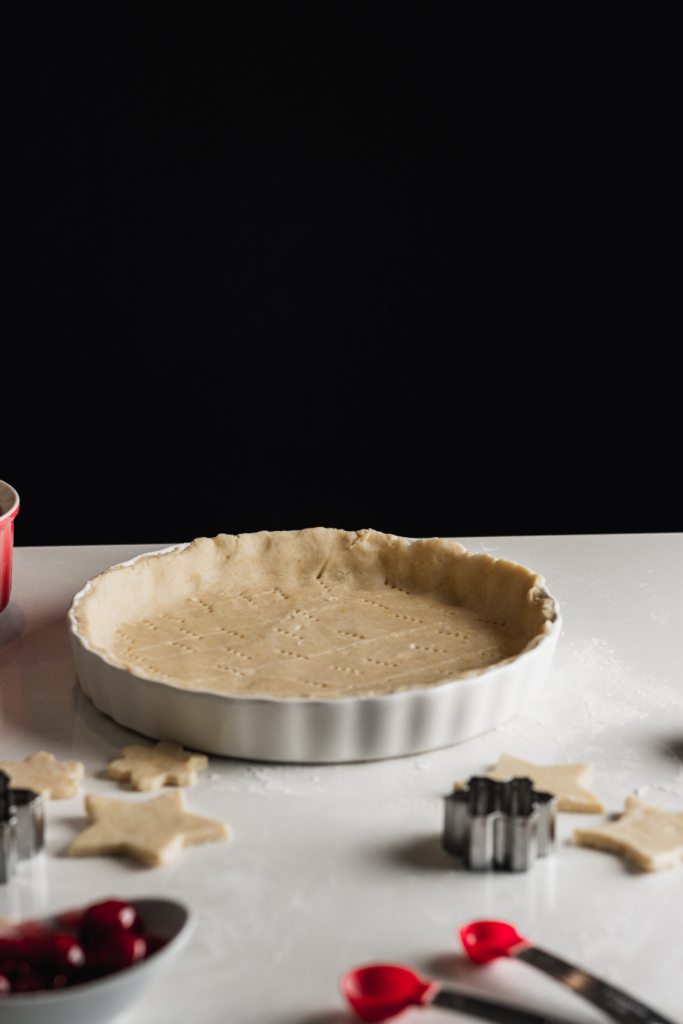
The main advantage of a glass pie dish over metal is visibility. You can see exactly how the bottom crust is browning without lifting it out or guessing. That level of control is genuinely useful when you’re learning, since undercooked pie crust is one of the more common beginner frustrations.
Glass also holds and distributes heat steadily, which helps fillings set evenly while the crust develops a consistent golden color. Place your dish on a lower oven rack to give the bottom crust a head start, and always let the oven fully preheat before putting the pie in. Avoid moving a hot glass dish directly onto a cold surface; the temperature change can cause cracking.
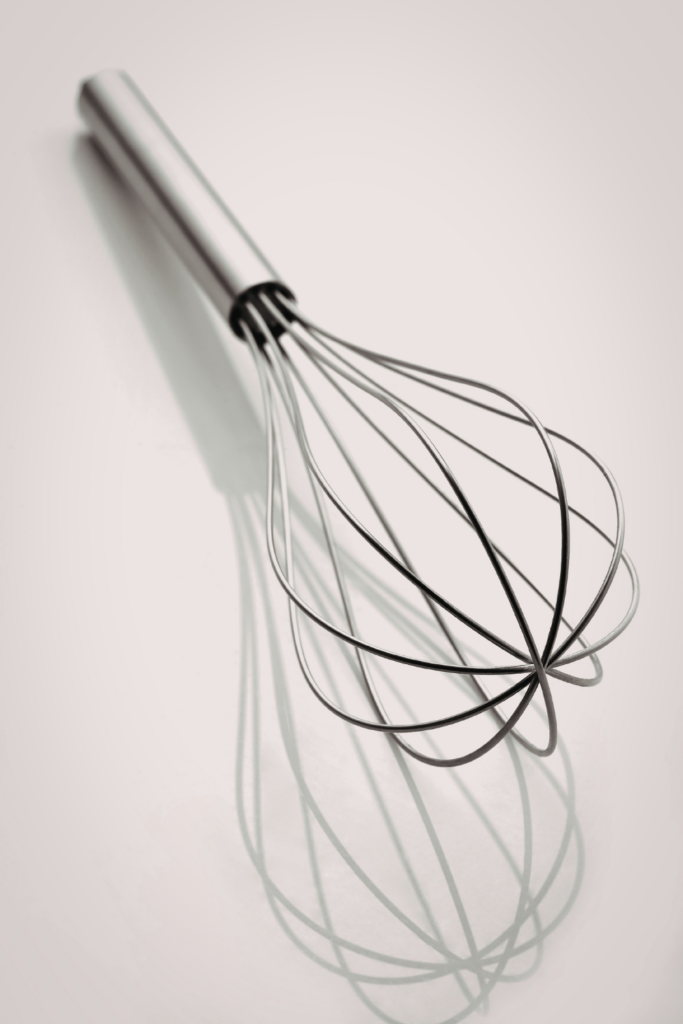
12. Whisk
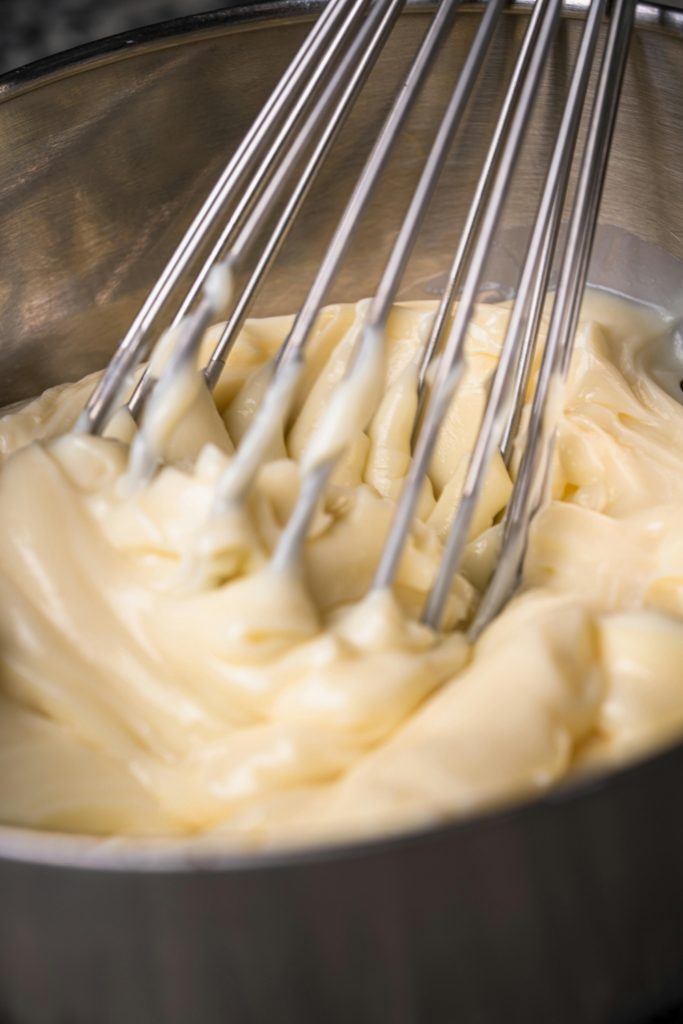
A whisk is one of the most used tools in a baker’s kitchen. It beats air into eggs and cream, combines dry ingredients evenly, and smooths out lumps in batters far more efficiently than a spoon. The airiness it adds to mixtures directly affects the texture of your finished bake, making it lighter and more consistent throughout.
A balloon whisk is the most useful starting point. It’s large enough to work through volume quickly and works for everything from eggs to pancake batter. For smaller bowls or sauces, a narrower whisk gives you better control. When whisking dry ingredients before adding wet ones, you get a more even distribution than stirring can achieve, and that small step shows up in the final result.
13. Cookie Scoop
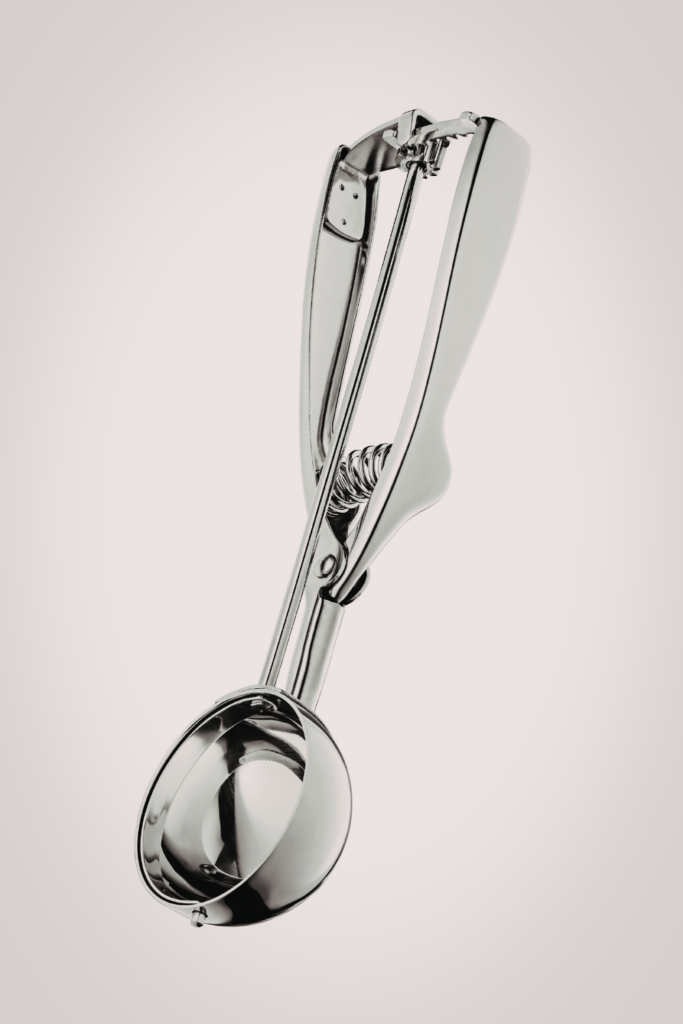
A cookie scoop makes portioning dough faster, cleaner, and more consistent. When every portion is the same size, cookies bake at the same rate across the tray, so you’re not left with some that are overdone while others are still soft in the center. It also removes the mess of rolling dough by hand and speeds up the whole process significantly.
Choose your size based on the cookies you make most often. A smaller scoop produces bite-sized cookies; a larger one gives you that thick, bakery-style result. If dough sticks to the scoop, a light greasing or dipping it in warm water between portions helps it release cleanly. Evenly spaced portions on the tray also allow each cookie to spread properly without merging into the one next to it.
14. Cake Tin
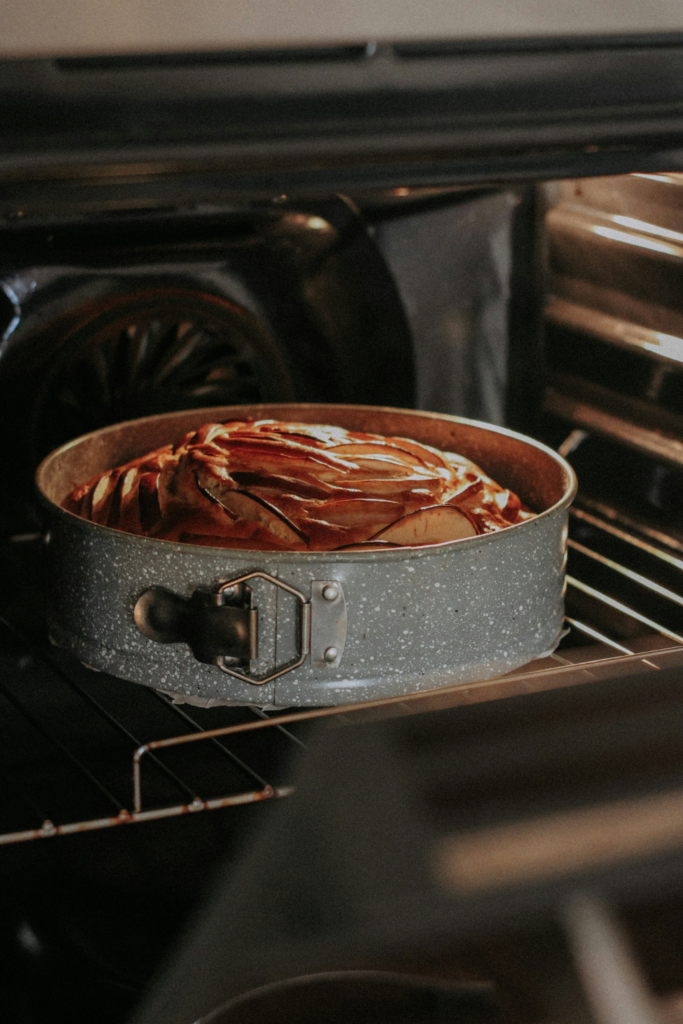
Cake tins are the foundation of almost everything in baking, and having the right ones makes a genuine difference to your results. Aluminum tins heat evenly and consistently, which gives you reliable bakes across different recipes. Non-stick coatings simplify release and cleanup. Silicone is flexible and easy to use, though it doesn’t brown the outside of cakes as effectively as metal.
Size and shape both matter here. Round tins suit classic layered cakes; square and rectangular ones are better for brownies and tray bakes. Deeper tins allow for taller celebration cakes with multiple layers. Always grease and line your tins as the recipe specifies, let the cake cool slightly before turning it out, and wash by hand when possible to protect the non-stick surface over time.
Building Your Baking Essentials Kit
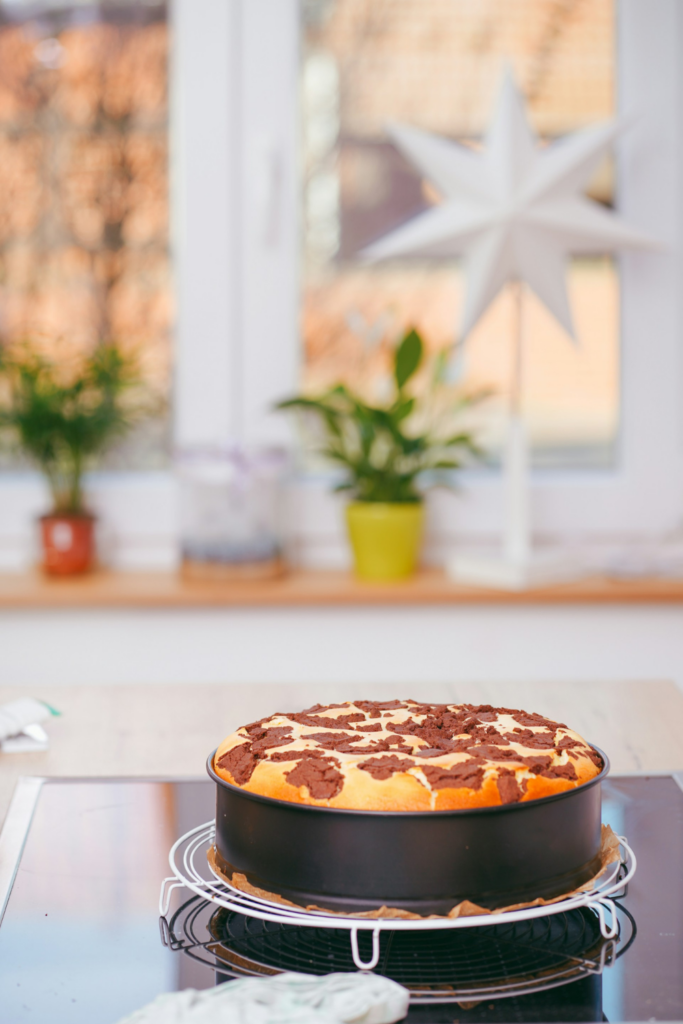
You don’t need all of these at once. Start with the tools that cover the recipes you actually want to make: measuring cups and spoons, a mixing bowl set, a whisk, and a good baking tin will take you through most beginner recipes. From there, add pieces as your baking expands.
If this guide helped you, save it to Pinterest so you can come back to it when you’re ready to shop. And if you’re looking for more kitchen inspiration, take a look at our Kitchen Countertop Styling Ideas post or our roundup of Amazon Kitchen Must-Haves That Elevate Your Space.